
Spider Crane Common Faults & Troubleshooting Guide for Mini Crawler Models
Introduction
Mini spider cranes are compact lifting machines built for narrow spaces, indoor renovations and glass curtain wall installation. Their small crawler chassis, dual power and 360-degree rotation let them work where standard cranes cannot. Still, wear, poor maintenance and improper operation cause frequent faults, delaying construction and creating safety hazards. This guide lists typical spider crane failures, simple fixes and daily maintenance advice for site operators.
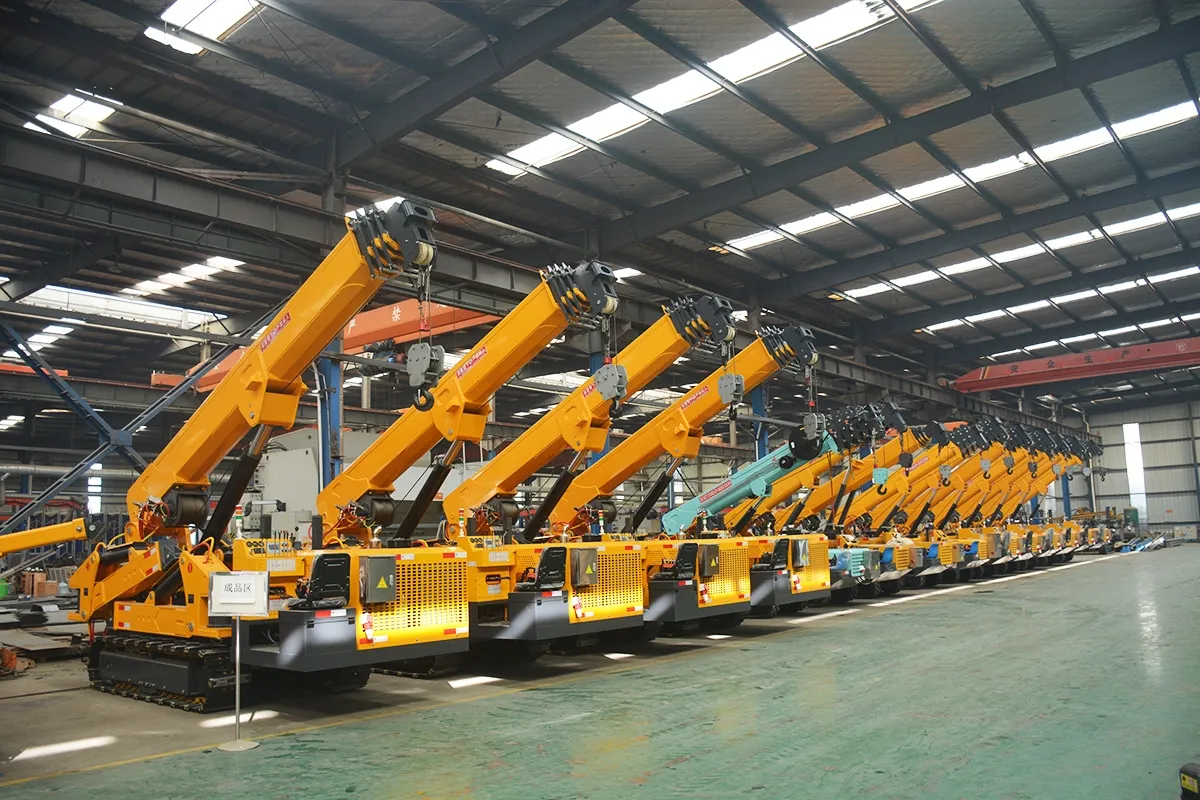
1. Hydraulic System Faults & Solutions
The hydraulic system controls boom movement, outriggers and slewing. Most breakdowns relate to oil quality, blocked filters or worn seals.
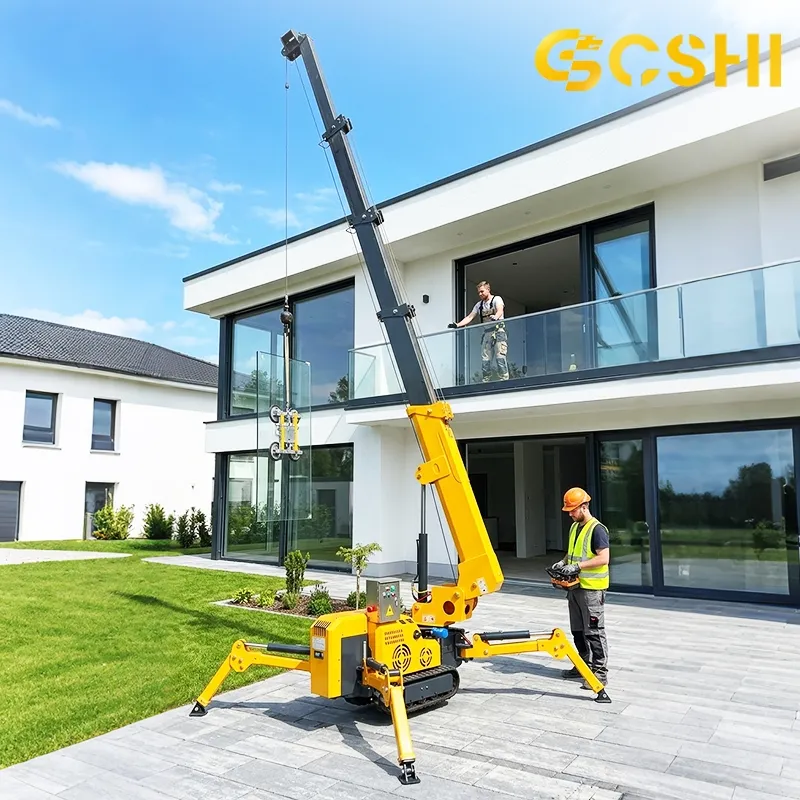
1.1 Slow Lifting & Insufficient Lifting Power
Symptoms: Boom rises slowly; machine cannot reach rated lifting load when hoisting glass panels.
Causes: Low or contaminated hydraulic oil, clogged filters, reduced hydraulic pump pressure.
Solutions: Refill or replace qualified hydraulic oil, clean filters, calibrate system pressure. Never overload the crane.
1.2 Hydraulic Oil Leakage
Symptoms: Oil seeps from cylinder rods, pipe joints and valves.
Causes: Aging seal rings, loose pipe connectors, cracked hoses.
Solutions: Replace damaged seals and hoses, tighten joints. Inspect for leaks after heavy lifting work.
1.3 Hydraulic Overheating
Symptoms: Machine heats fast, lifting response slows and power drops automatically.
Causes: Long continuous work, dirty radiator, degraded hydraulic oil.
Solutions: Pause work for cooling, clean radiator dust and replace old hydraulic oil.
2. Electric & Remote Control Faults
Wireless remote control is widely used on mini spider cranes. Electrical faults mostly come from unstable power and loose wiring.
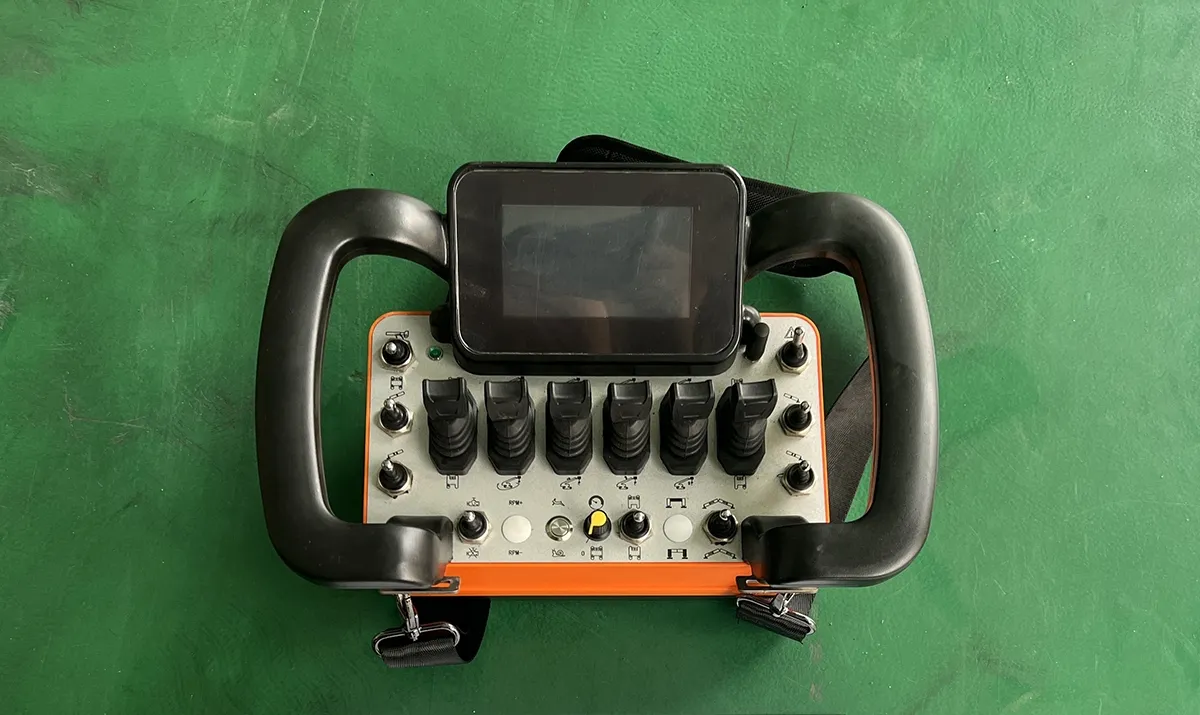
2.1 Remote Control Not Responding
Symptoms: Remote fails to operate the crane, while manual emergency mode works fine.
Causes: Low remote battery, site signal interference, loose receiver wiring.
Solutions: Change batteries, stay away from signal interference, check wiring and re-pair the remote.
2.2 Dual Power Switch Failure
Symptoms: Cannot switch between electric 380V and diesel power modes.
Causes: Unstable voltage, damaged power switch or insufficient diesel fuel.
Solutions: Check power supply, add diesel and replace broken power accessories.
3. Crawler Walking Faults
Rubber crawlers protect indoor floors and support flexible movement. Track issues affect mobility greatly.
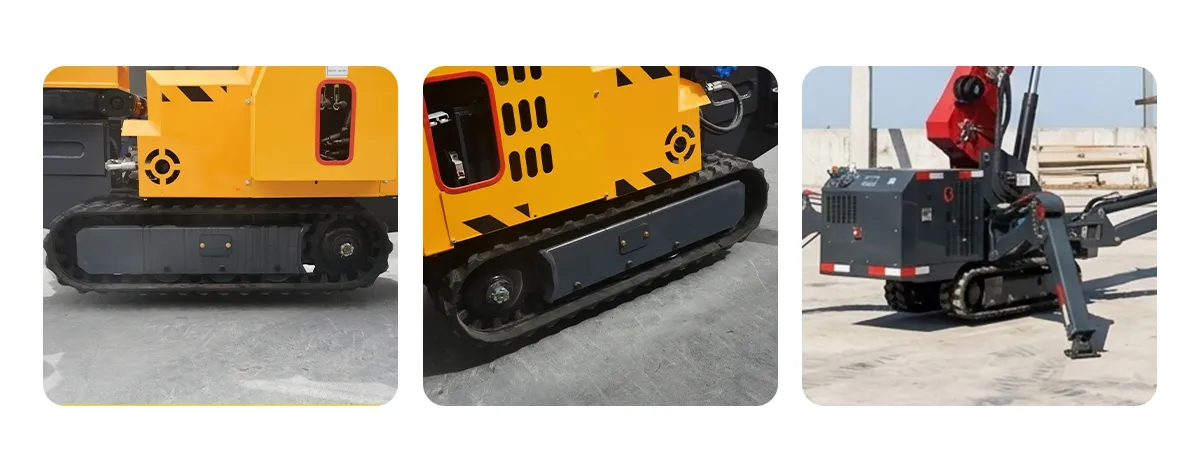
3.1 Walking Deviation
Symptoms: The crane drifts left or right and cannot travel straight.
Causes: Uneven crawler tension, debris stuck between tracks, unbalanced motor pressure.
Solutions: Adjust crawler tension and clear stuck debris, inspect walking motors.
3.2 Rubber Track Wear & Cracks
Symptoms: Rubber tracks crack and peel after long use.
Solutions: Avoid driving over sharp stones. Replace worn tracks before they fail completely.
4. Safety Device Faults
Torque limiters, height limiters and overload alarms protect operators from tipping and overload risks.
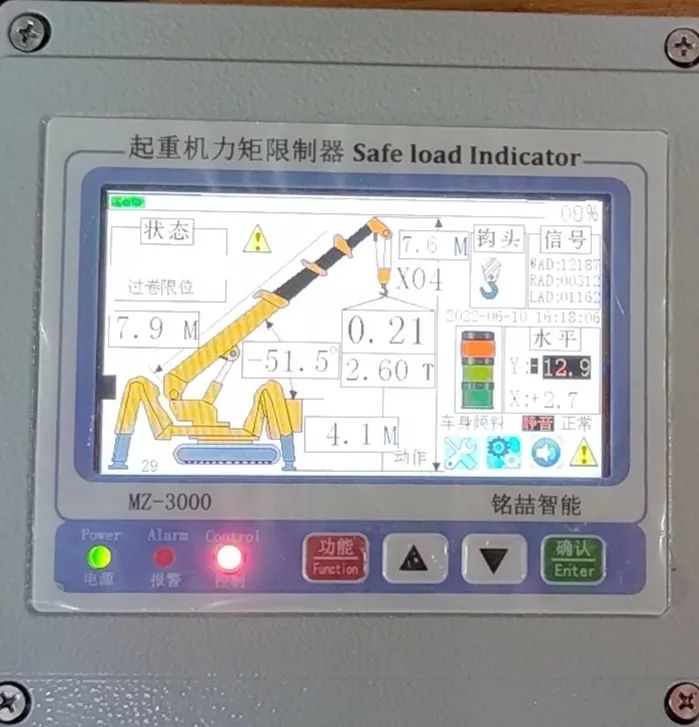
4.1 Inaccurate Torque Reading & False Alarms
Symptoms: False overload alerts or blank load data during lifting.
Causes: Dust-covered sensors, loose wires, missing regular calibration.
Solutions: Clean sensors, check circuits and recalibrate the torque limiter regularly.
4.2 Emergency Stop Failure
Symptoms: Emergency stop button does not trigger when needed.
Solutions: Test safety systems before each project and maintain emergency stop circuits.
5. Simple Daily Maintenance Checklist
Most faults can be prevented with regular inspection.
Daily: Check hydraulic oil level, oil leaks, crawler tightness and remote battery.
Weekly: Clean hydraulic filter, lubricate boom and rotation parts, test safety alarms.
Every 500 working hours: Replace hydraulic oil and filter, inspect sealing components.
Seasonal care: Clean radiator in summer; use low-temperature hydraulic oil in cold winter.
6. When To Contact Manufacturer Support
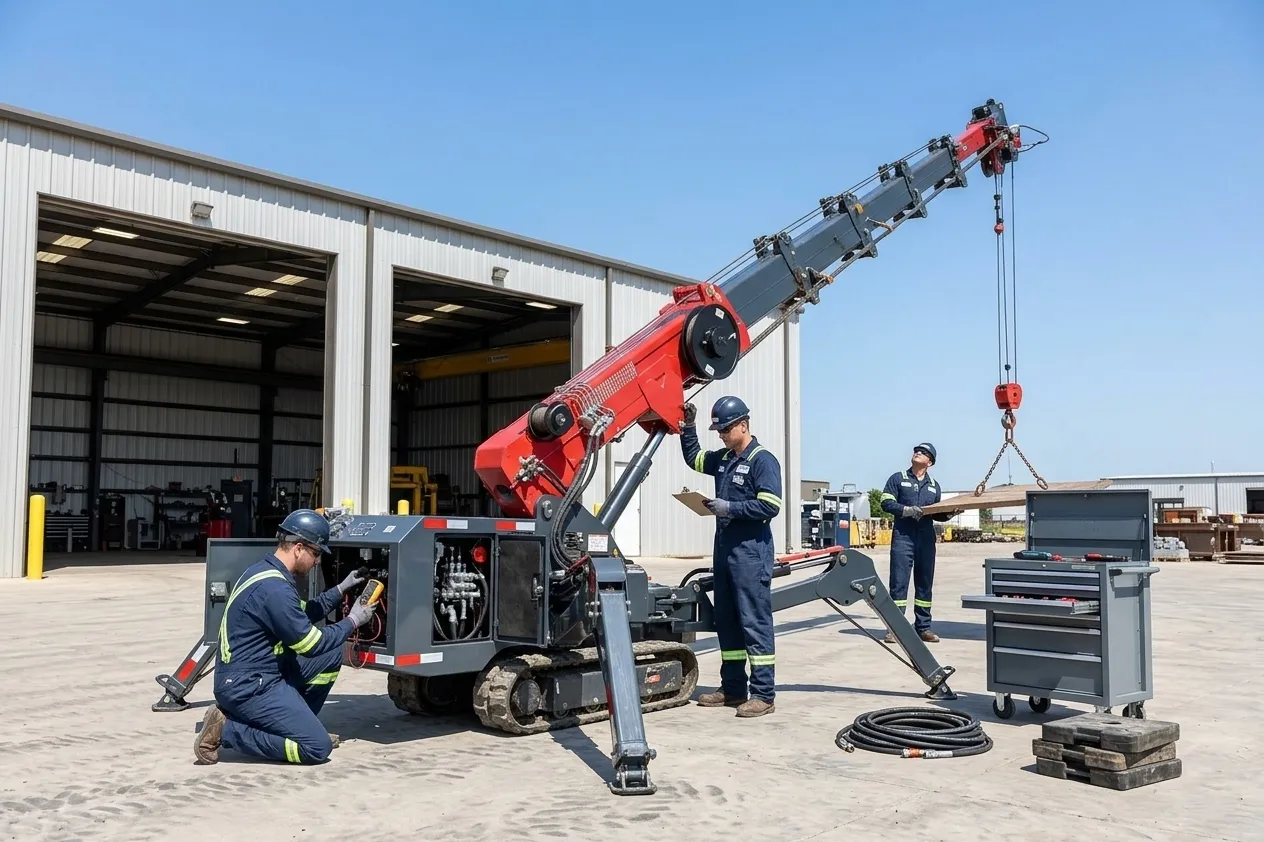
Operators can handle simple maintenance tasks on site. Serious faults like hydraulic pump damage, motor breakdown or safety system calibration errors require professional service. Stop operation at once if abnormal signs appear, to avoid accidents and further machine damage.
Conclusion
Standard operation and routine maintenance reduce spider crane downtime effectively. This troubleshooting guide helps contractors solve common issues for glass curtain wall and confined-space lifting jobs. Our 3 ton spider crane delivers stable performance for narrow-site projects. Contact us for technical support and equipment inquiries.
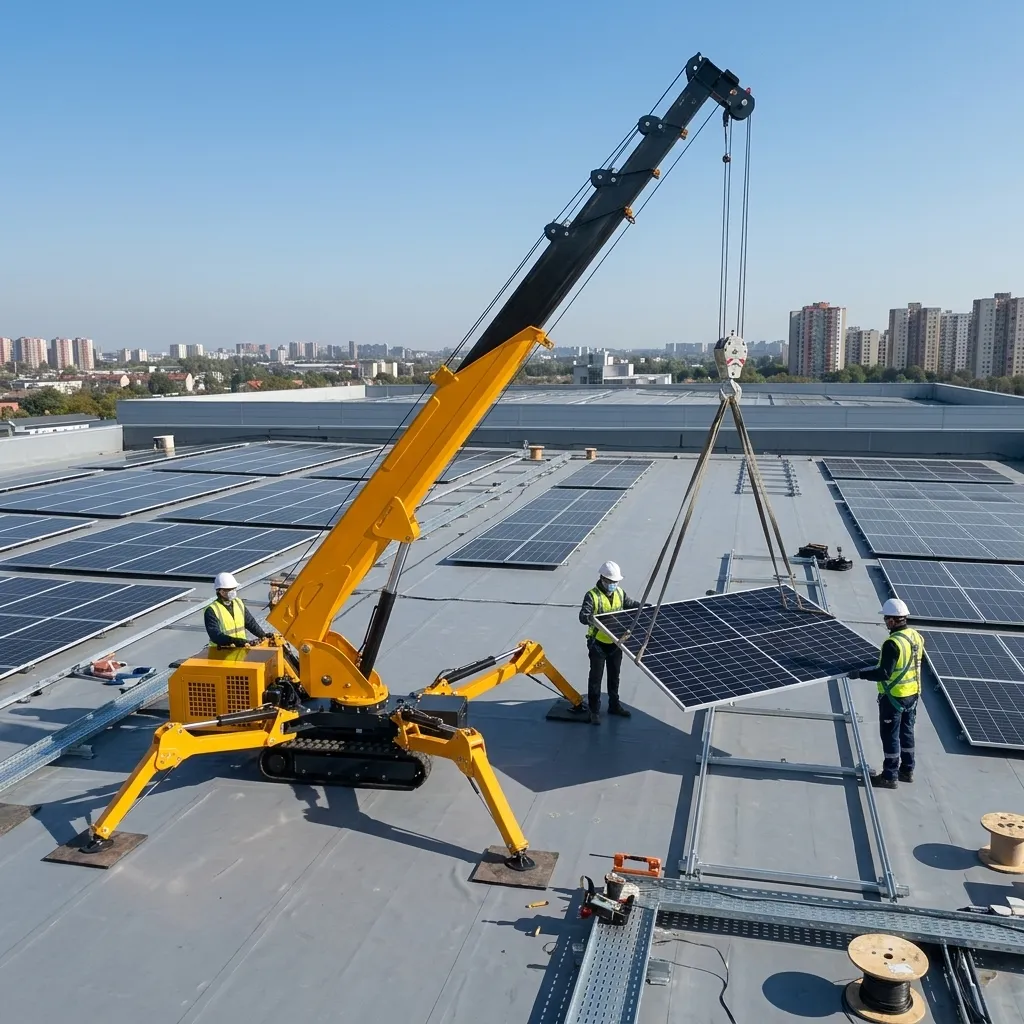 Spider Crane for Solar Panel Installation: Rooftop Lifting
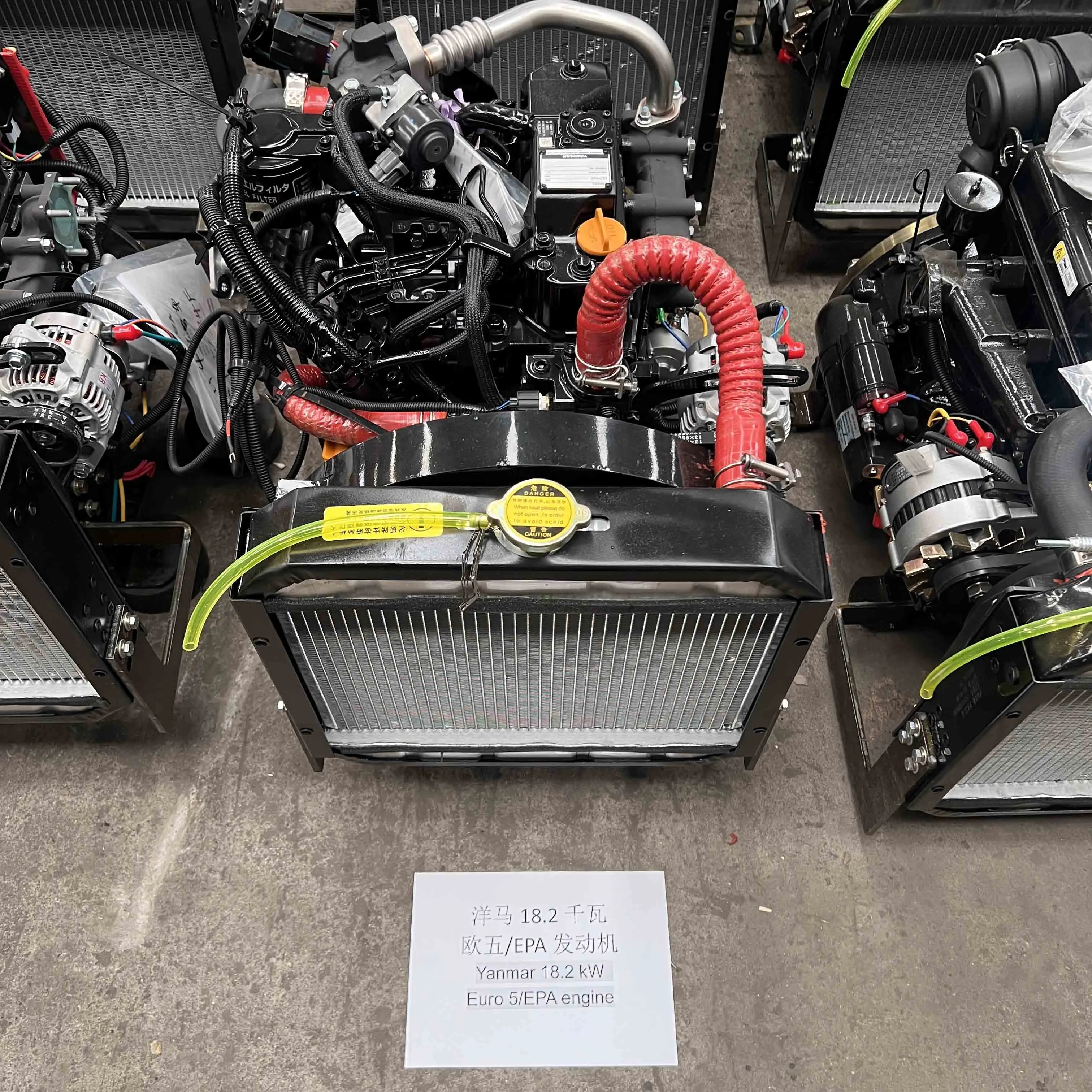 Spider Crane Common Faults & Troubleshooting Guide for M
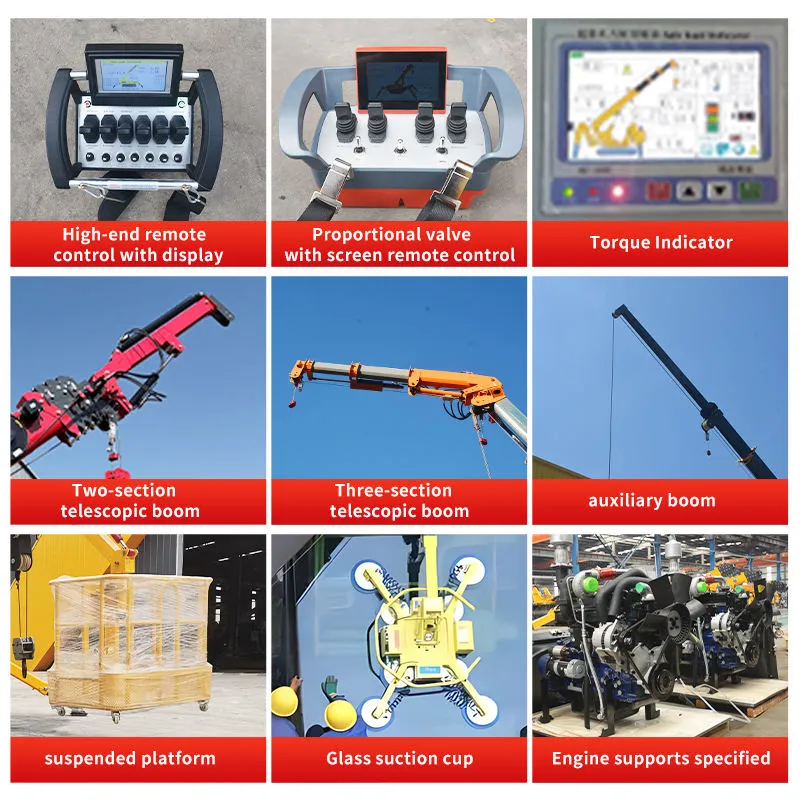 How to Choose Spider Crane Optional Attachments (Full Guide)
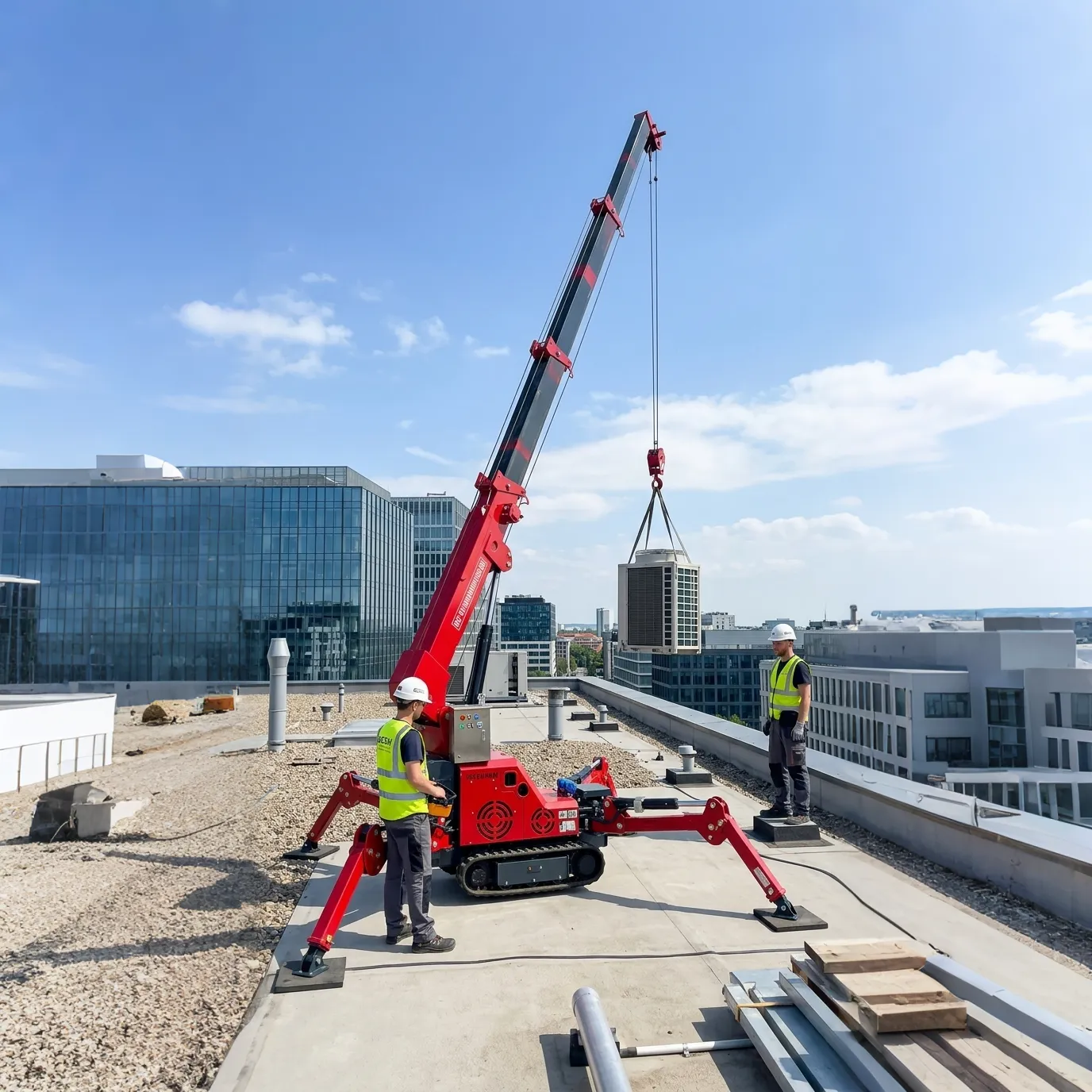 How to Lift an HVAC Unit to a Roof with a Spider Crane