
Spider Crane: A Complete Guide to Mini Crawler Cranes for Narrow Space Lifting
When traditional cranes cannot enter a construction site, a spider crane provides an efficient and flexible lifting solution. With its compact structure, strong lifting capacity, and excellent mobility, the mini spider crane has become increasingly popular in construction, glass installation, industrial maintenance, and landscaping projects.
Unlike conventional mobile cranes, spider cranes are designed for working in limited spaces where access is difficult. Their compact body, crawler tracks, and adjustable outriggers allow them to operate safely in areas such as indoor facilities, gardens, rooftops, and narrow passages.
What Is a Spider Crane?
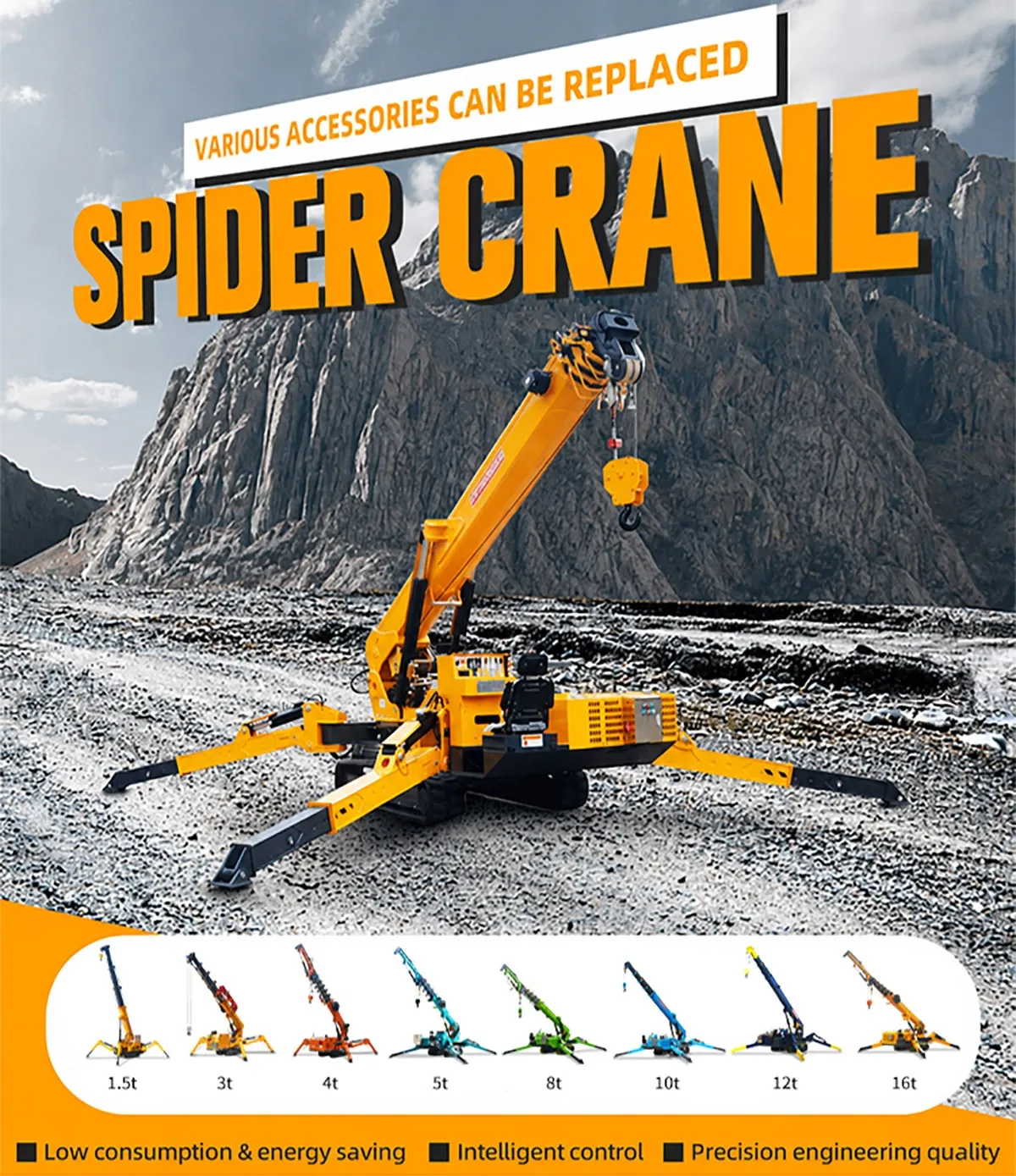
A spider crane, also known as a mini crawler crane or small spider crane, is a compact lifting machine equipped with crawler tracks and multiple adjustable outriggers. The machine gets its name from its spider-like appearance when the outriggers are fully extended.
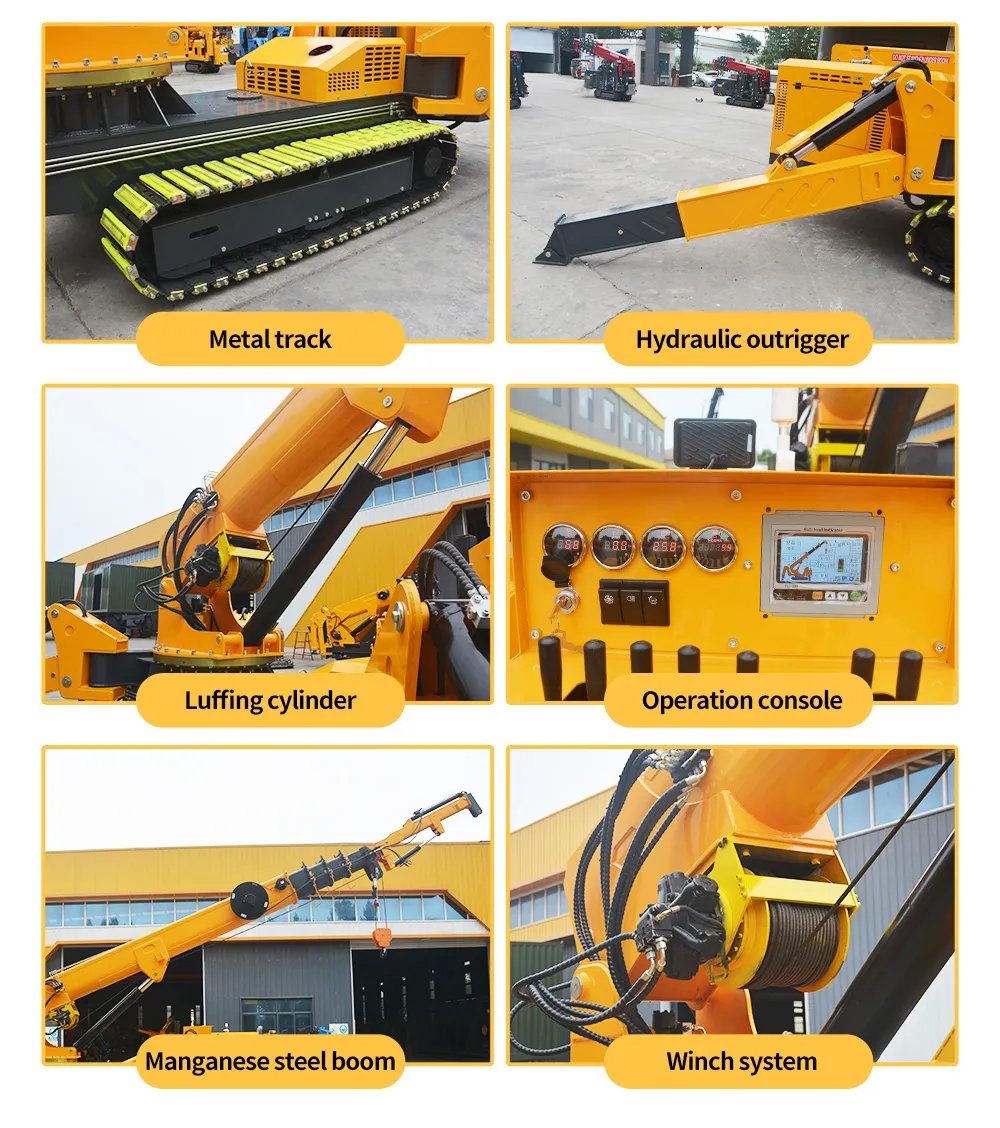
The main structure usually includes:
Hydraulic telescopic boom
Crawler undercarriage
Hydraulic outriggers
Remote control system
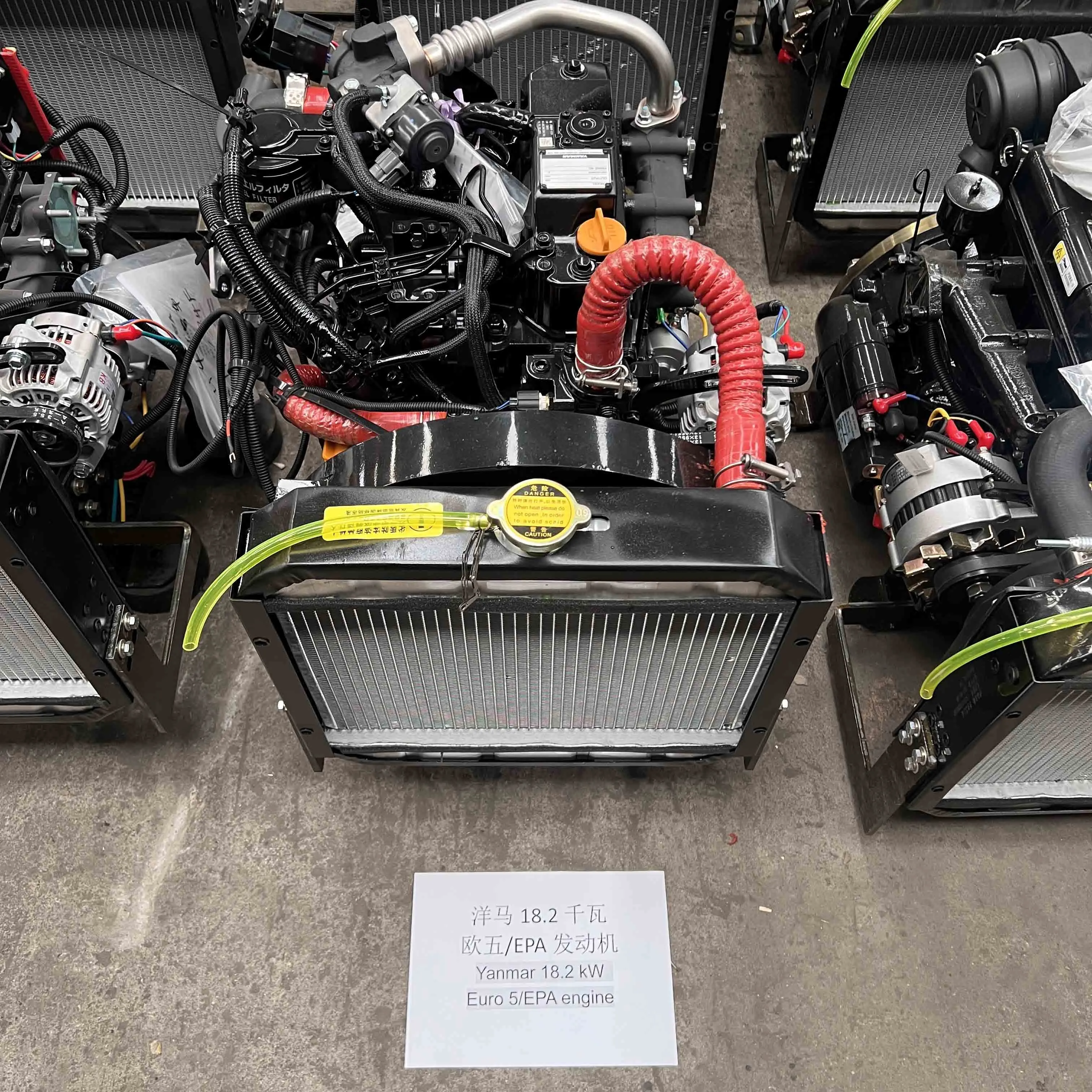
Electric or diesel power system
Hook lifting mechanism
Compared with traditional cranes, spider cranes are smaller in size but still provide impressive lifting performance. Some models can lift several tons while maintaining a very narrow working width.
Why Choose a Mini Spider Crane?
1. Compact Design for Narrow Spaces
One of the biggest advantages of a mini spider crane is its compact size.
Many construction areas have limited access, such as:
Indoor buildings
Shopping malls
Residential areas
Rooftops
Factory workshops
Narrow alleys
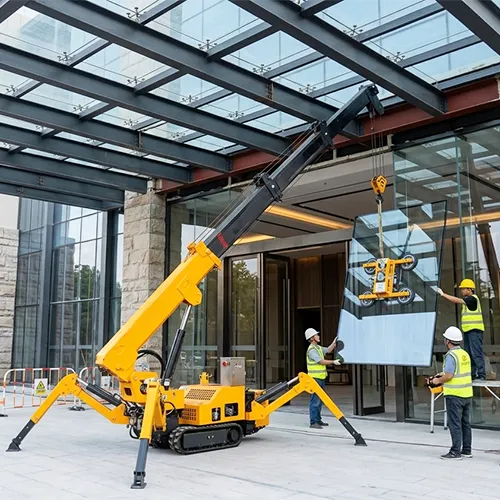
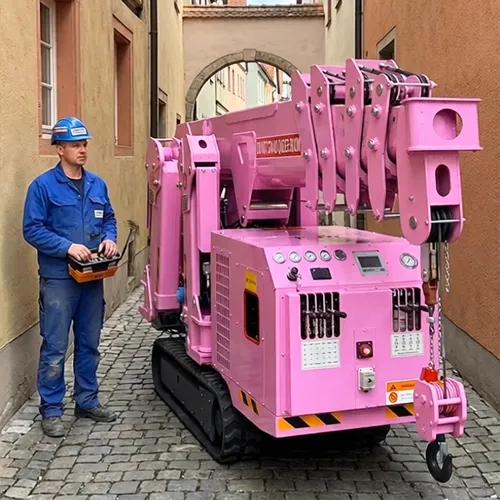
A crawler spider crane can pass through small entrances and operate in places where standard cranes cannot reach.
For example, during glass curtain wall installation, a spider crane can enter a building through narrow spaces and accurately lift large glass panels into position.
2. Strong Lifting Capacity in Small Size
Although spider cranes are compact, they are designed for heavy lifting tasks.
Depending on the model, a small spider crane can provide lifting capacities from hundreds of kilograms to more than 10 tons.
Common applications include:
Glass lifting
Steel structure installation
Machinery relocation
Stone lifting
Equipment maintenance
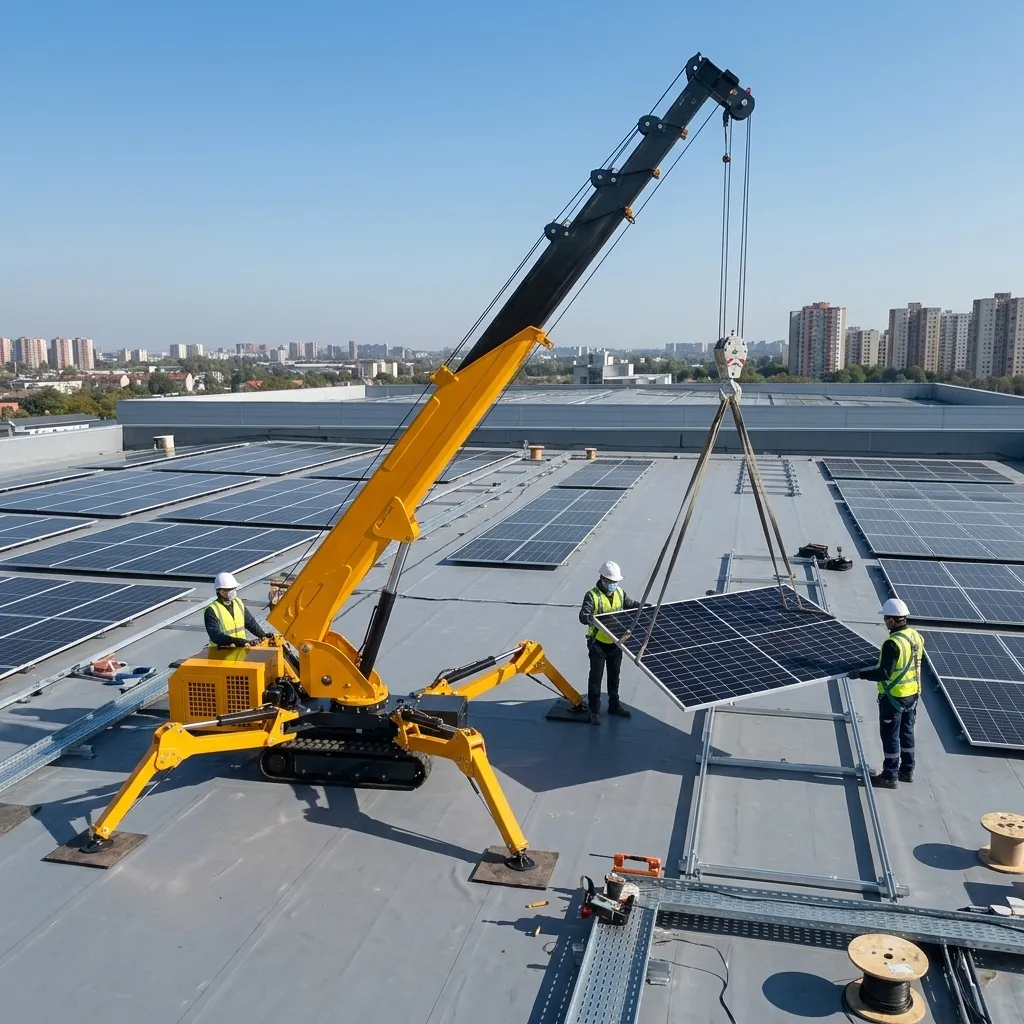
Solar panel installation
The hydraulic boom system provides smooth and precise operation, making it suitable for projects that require high positioning accuracy.
How Does a Spider Crane Work?
A spider crane uses a hydraulic system to control the boom, outriggers, and lifting movements.
During operation:
The crawler tracks move the machine to the working area.
Hydraulic outriggers extend to improve stability.
The boom adjusts to the required height and working radius.
The lifting hook moves materials safely into position.
The combination of crawler mobility and hydraulic control allows spider cranes to work efficiently on different surfaces, including concrete floors, uneven ground, and outdoor construction sites.
Main Applications of Spider Cranes
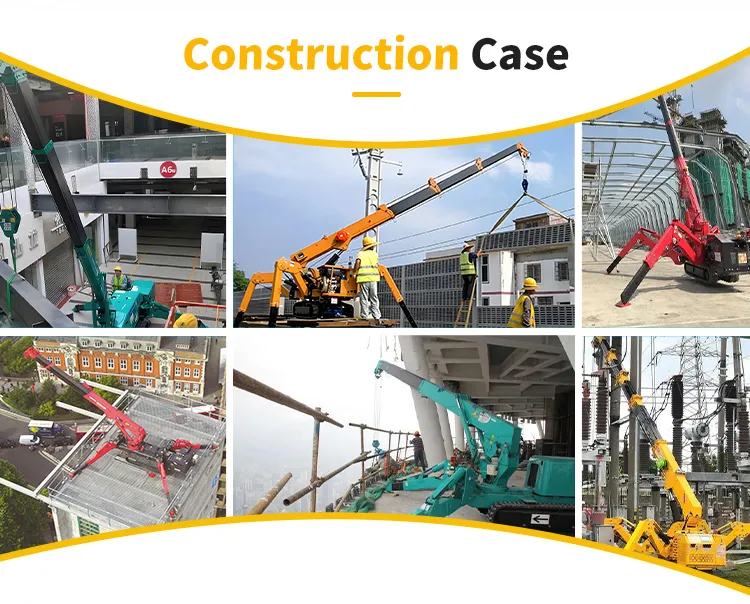
Glass Installation
Glass installation is one of the most common applications for mini spider cranes.
Large glass panels are heavy and difficult to handle manually. With vacuum glass lifters and spider cranes, workers can safely install:
Curtain walls
Windows
Storefront glass
Skylights
The precise boom movement helps reduce installation time and improves safety.
Construction and Building Maintenance
Spider cranes are widely used in construction projects because they can access areas with limited space.
Typical applications include:
Steel beam lifting
Roof construction
Indoor equipment installation
HVAC installation
Building renovation
Landscaping and Garden Projects
Due to their small size, crawler spider cranes are ideal for landscape work.
They can lift:
Large trees
Landscape stones
Garden structures
Decorative materials
The rubber crawler tracks help reduce ground damage compared with traditional construction equipment.
Solar Panel Installation
With the growth of renewable energy projects, spider cranes are also used in solar installation.
They help lift:
Solar panels
Steel frames
Heavy components
Especially in rooftop solar projects or difficult terrain areas, spider cranes provide a practical lifting solution.
Spider Crane vs Traditional Crane
| Feature | Spider Crane | Traditional Crane |
|---|---|---|
| Size | Compact | Large |
| Working Space | Narrow areas | Open areas |
| Transportation | Easy | Requires special transport |
| Ground Impact | Low | Higher |
| Operation | Flexible | Less flexible |
| Indoor Use | Suitable | Usually impossible |
For projects with limited access, a spider crane is often a more efficient and economical choice.
How to Choose the Right Spider Crane?
When selecting a spider crane, several factors should be considered:
Lifting Capacity
Choose the correct model according to the maximum load requirement. Always consider safety margins for different working conditions.
Working Height
The boom length determines how high the crane can lift materials. For rooftop and high-rise applications, a longer boom is usually required.
Working Environment
Different sites require different configurations:
Indoor projects may require electric-powered models.
Outdoor construction may require diesel-powered models.
Uneven terrain may require stronger crawler systems.
Transportation Requirements
A lightweight and compact model is easier to transport between different job sites, reducing operating costs.
Future Development of Spider Cranes
With increasing demand for efficient and flexible construction equipment, spider cranes are becoming more popular worldwide.
Future trends include:
More intelligent remote control systems
Improved battery-powered models
Higher lifting performance
More environmentally friendly designs
Better safety monitoring systems
As construction spaces become more complex, compact lifting equipment like spider cranes will continue to play an important role.
Conclusion
A spider crane is a versatile lifting machine designed for challenging environments where traditional cranes cannot operate. Its compact size, powerful hydraulic system, and excellent flexibility make it an ideal choice for glass installation, construction, industrial maintenance, landscaping, and solar projects.
For contractors looking for a reliable solution in narrow spaces, a mini crawler spider crane offers the perfect balance between mobility, safety, and lifting performance.
FAQ:
1. What is a spider crane?
A spider crane is a compact crawler crane designed for lifting operations in narrow spaces. It features adjustable outriggers, hydraulic boom control, and crawler tracks for flexible movement in different environments.
2. What are spider cranes used for?
Spider cranes are widely used for glass installation, steel structure lifting, equipment maintenance, construction projects, landscaping, and solar panel installation.
3. Can a spider crane work in narrow spaces?
Yes. The compact design and narrow width allow spider cranes to enter areas where traditional cranes cannot operate, such as indoor buildings, rooftops, and narrow passages.
4. How much weight can a mini spider crane lift?
The lifting capacity depends on the model. Different spider cranes can lift from several hundred kilograms to more than 10 tons to meet various project requirements.
5. Are spider cranes suitable for indoor use?
Yes. Electric-powered spider cranes produce low noise and zero emissions, making them suitable for indoor applications such as glass curtain wall installation and factory maintenance.
6. What is the difference between a spider crane and a traditional crane?
A spider crane is smaller, more flexible, and easier to transport. It is specially designed for limited spaces, while traditional cranes are mainly used for large open construction sites.
7. How do you choose the right spider crane?
The right model depends on lifting capacity, working height, working radius, site conditions, and transportation requirements.
8. Can spider cranes operate on uneven ground?
Yes. The crawler system and adjustable outriggers provide stability on uneven terrain, making them suitable for outdoor construction and landscaping projects.
 Spider Crane for Solar Panel Installation: Rooftop Lifting
 Spider Crane Common Faults & Troubleshooting Guide for M
 How to Choose Spider Crane Optional Attachments (Full Guide)
 How to Lift an HVAC Unit to a Roof with a Spider Crane