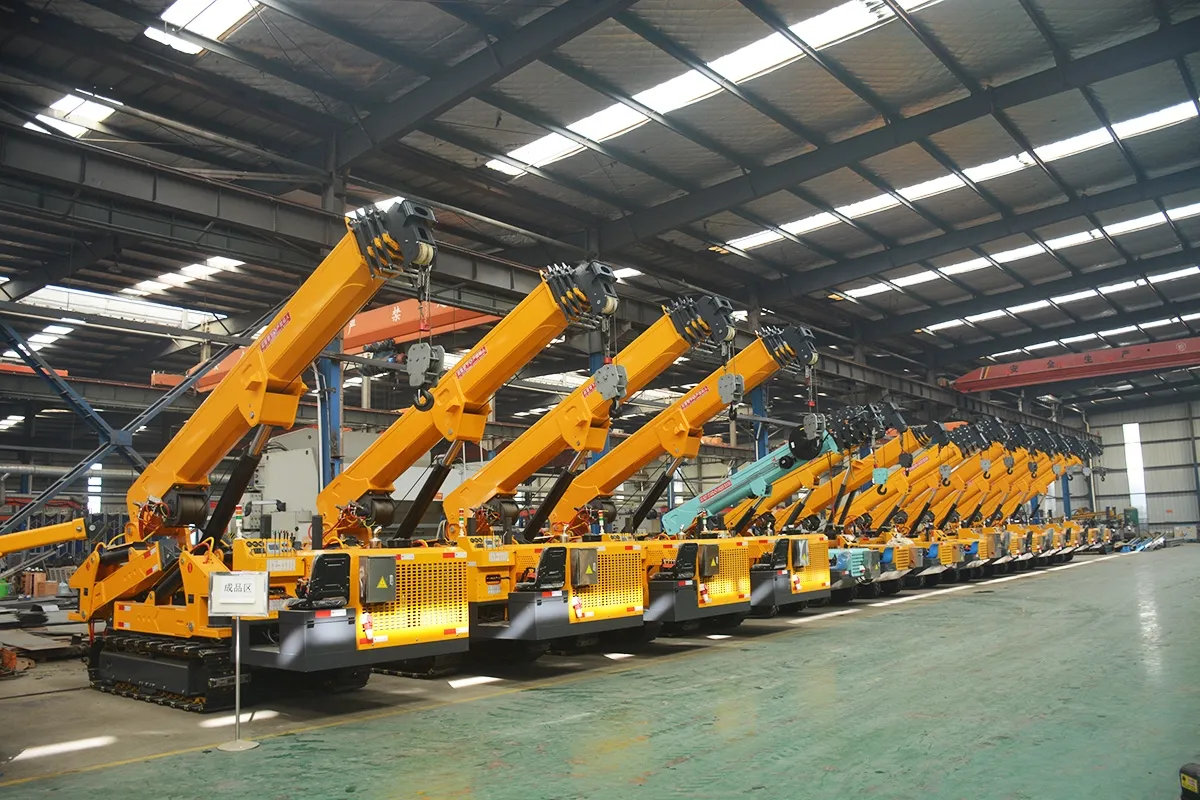
I have sat through enough project kickoff meetings to know how this conversation usually goes. Someone pulls up a photo of a rooftop chiller pad, or a fourteenth-floor curtain wall elevation, and the room goes quiet for a few seconds. Then the site manager says something like "so how exactly are we getting a three-tonne unit up there?" And the answer, more often than not, is a spider crane.
Not because it is the most powerful option available. It is not. But because it is the only option that can actually reach the work point.
What the Machine Actually Is
A spider crane is a crawler-mounted lifting machine with four hydraulic outriggers that extend independently from the chassis. The name comes from the deployed profile — legs spread outward, body low to the ground, unmistakably arachnid. But the name undersells what the geometry actually does for you on site.
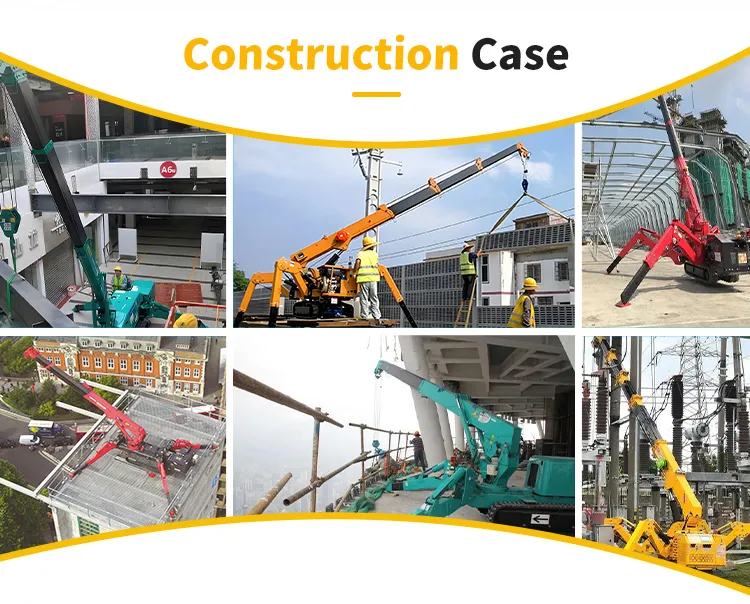
Each outrigger adjusts separately in length, angle, and height. So when the ground is not flat — and on a real project it almost never is — the machine compensates. A staircase landing. A drainage channel running diagonally across the setup area. A 12-degree ramp. The crane levels itself on whatever is there. A mobile crane with fixed outrigger geometry simply cannot do this.
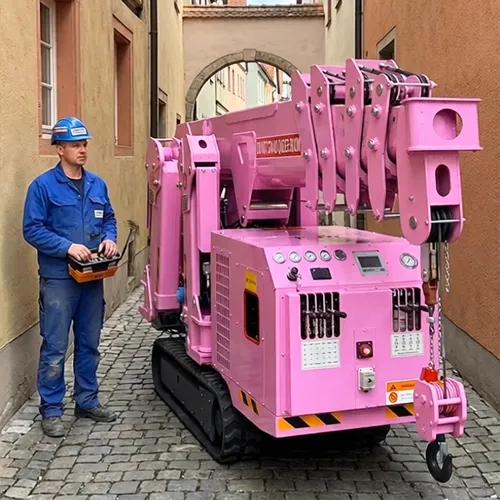
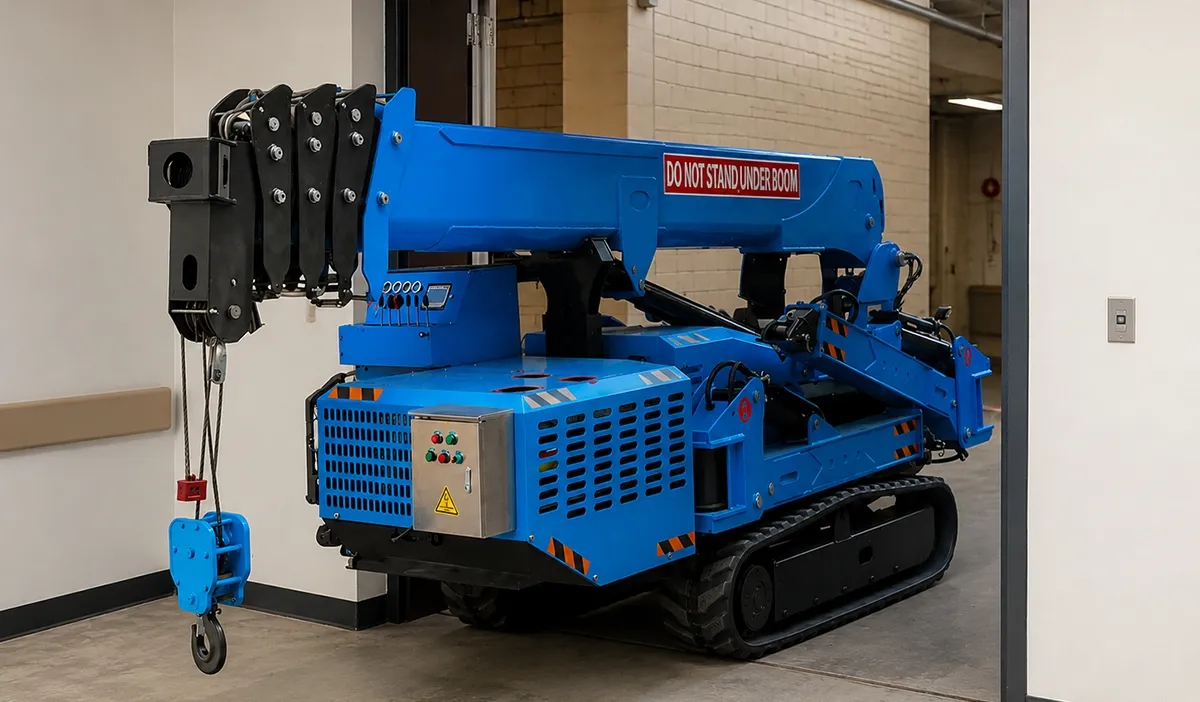
Transport width on the smaller models is under 700 mm. That is a standard doorway. The machine drives through it, into a freight elevator, up to the working floor, and is lifting within fifteen minutes of arriving on site. No disassembly. No auxiliary crane needed to put the crane together before the crane can do anything useful.
Ground pressure on rubber tracks stays below 0.3 kg/cm². For context, that is safe on finished marble, terrazzo, and epoxy flooring without additional protection in most cases. Facility managers tend to care about this point more than contractors expect.
The upper structure slews 360 degrees continuously on a footprint smaller than a parking bay. In a corridor or a crowded plant room, this means the operator places loads in any direction without repositioning the chassis between picks.
Where These Machines Actually Work
Spider cranes do not replace mobile cranes. Nobody buys one to handle 80-tonne steel erection on an open site. What they handle is a specific category of lift that keeps falling into a gap: too heavy for a manual crew to rig safely, too inaccessible for a conventional crane to physically reach.
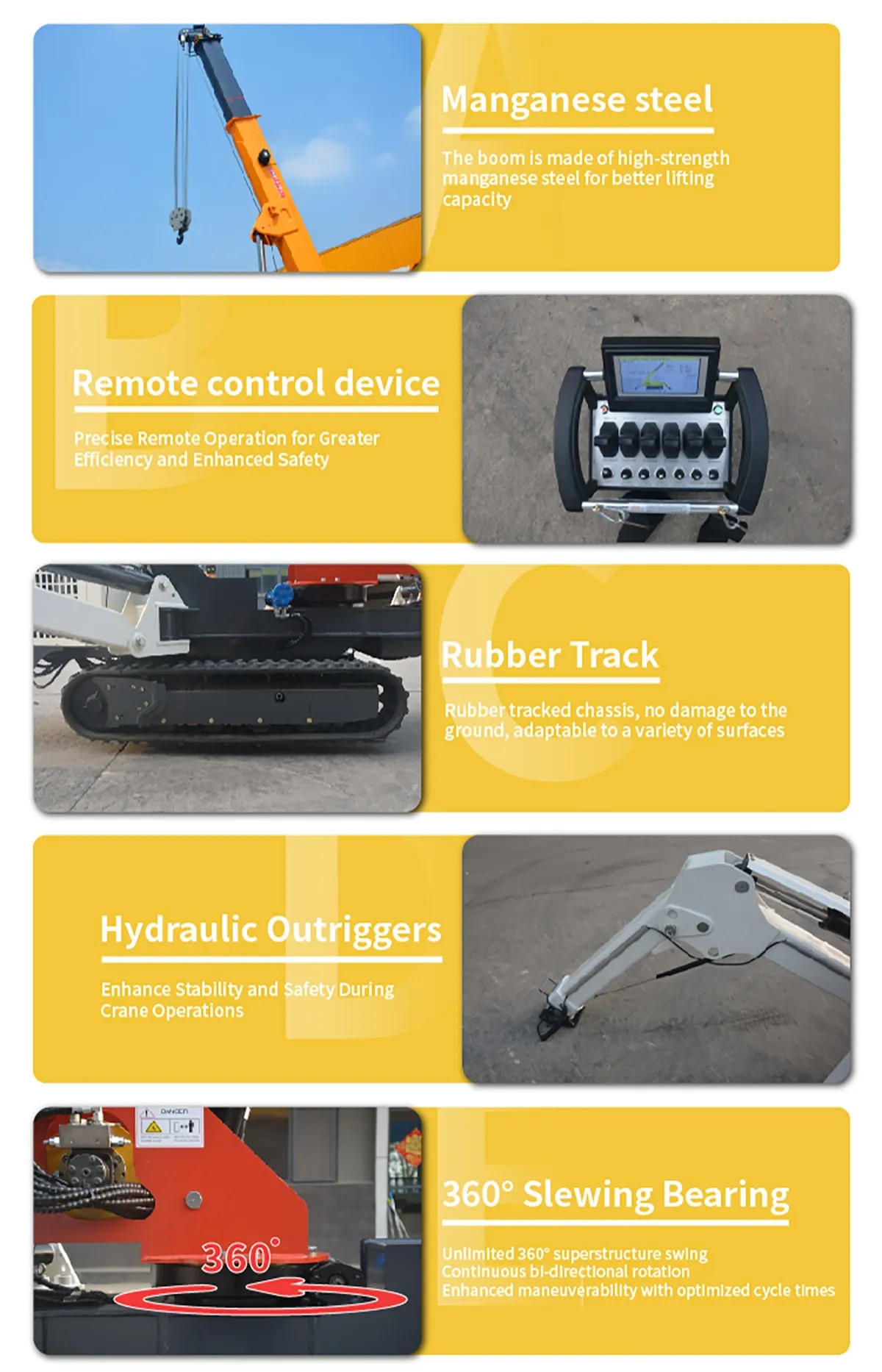
The most common application worldwide is probably glass and curtain wall installation inside completed buildings. The structure is already enclosed. The street is occupied. Panels weigh 800 kg to 2 tonnes and need to go up six, ten, twenty floors. A mini spider crane rides the service elevator and works from the slab edge. I have seen projects where this approach compressed a six-week scaffolding and chain block operation into eight working days. The math on labor alone usually justifies the machine.
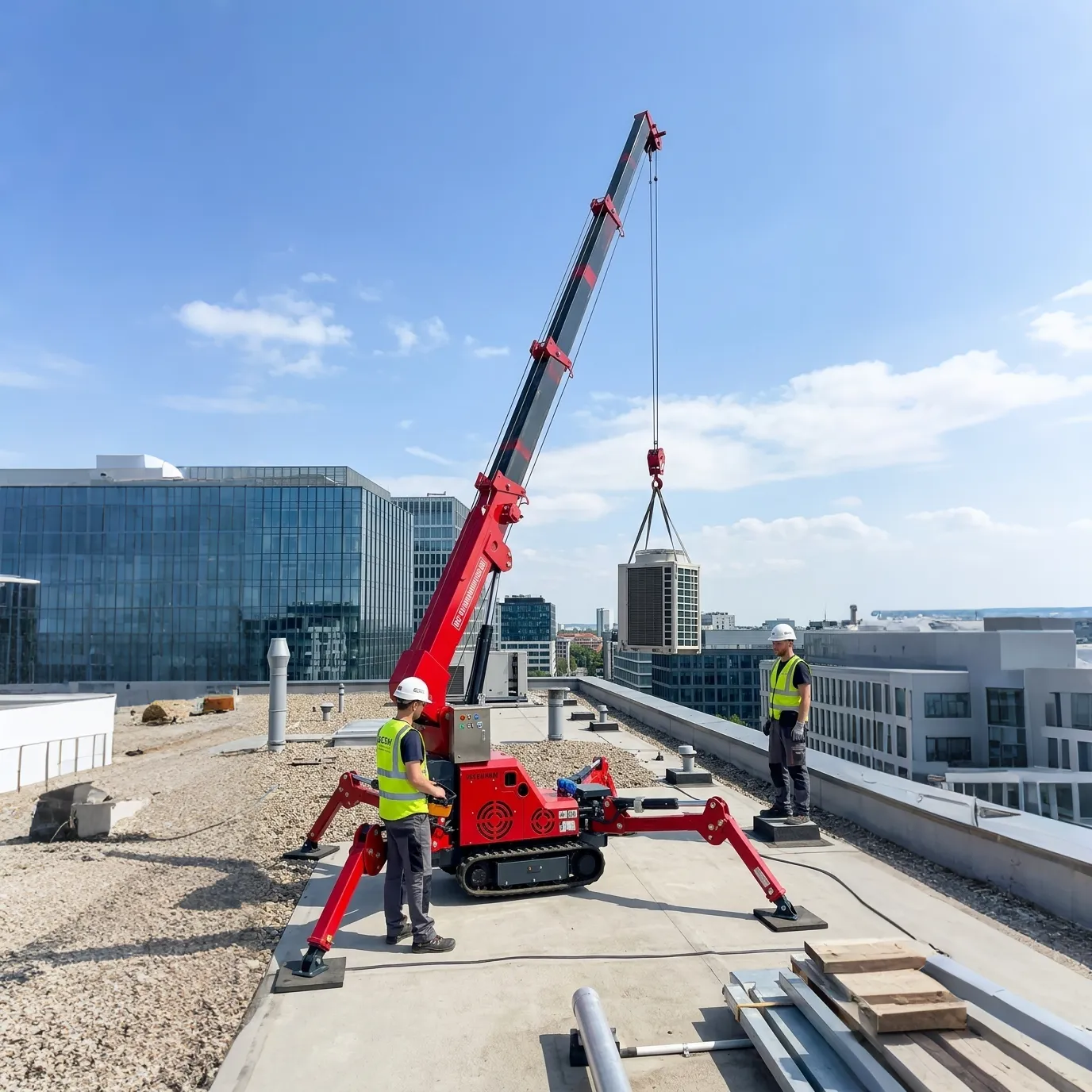
Rooftop mechanical plant is the other big one. Chillers, air handling units, cooling towers — typically 1 to 8 tonnes. The alternatives are a helicopter lift (expensive, weather-dependent, airspace restrictions in urban areas) or a street-level mobile crane that often cannot reach over the building without a multi-week road closure permit. A spider crane on the roof, load distributed through four outrigger pads, handles the job in an afternoon.
Substation and energy infrastructure work is a growing segment. The compact footprint matters as much as the capacity here, because electrical clearance zones are unforgiving. And in mountainous terrain, where a transmission tower sits at the end of a track that no wheeled vehicle can traverse, a track-mounted unit with 25-degree gradeability crawls to the base under its own power. No temporary road to build.
Tunnel and underground construction is a special case because it eliminates diesel equipment entirely. Metro stations, road tunnels, utility corridors — ventilation regulations prohibit combustion engines. An electric spider crane with zero exhaust and near-silent operation is often the only mechanized lifting option that passes. There is no workaround. You use electric or you use manual labor.
Industrial plant maintenance rounds it out. Reactors, heat exchangers, process vessels located between pipe racks on elevated platforms inside operating facilities. No overhead bridge crane exists. No mobile crane can get through the door. A compact crawler crane is the only mechanized answer.
Spider Crane vs. Mobile Crane
These are not competing products and I think the industry would be better served if procurement teams stopped framing them that way.
A spider crane covers lifts up to roughly 16 tonnes in locations where access is the binding constraint. Setup is 5 to 15 minutes. It works indoors. It rides elevators. It protects finished surfaces.
A mobile crane covers 50 tonnes and upward on open sites with road access. Setup runs 30 to 60 minutes, often with ground mats and a second operator. It cannot enter a building.
If your project scope includes both categories of lift, you need both machines. They complement each other.
Three Questions That Will Narrow Your Options
Before you start comparing models, answer these. They will eliminate more candidates than any spec sheet.
What is your worst-case lift? Not the average. The worst. Heaviest load, greatest radius, highest hook position. A crane rated "5 tonnes" delivers that at minimum radius — maybe 1.5 metres from the slew center. At 12 metres outreach with the boom fully elevated, the same machine might offer under a tonne. You need to verify against the load chart. If a supplier cannot produce one, that tells you something about their operation and you should probably move on.
How does the machine physically get to the work point? This eliminates more candidates than any other factor. Measure the doorways. Measure the elevator car. Check corridor turning radii. Note every overhead obstruction — cable trays, sprinkler mains, pipe runs. Then compare against the manufacturer's transport dimensions. A crane that cannot arrive at its working position is irrelevant regardless of how impressive the lifting chart looks.
What power configuration does your site require? Diesel for extended outdoor work. Electric for enclosed spaces, underground environments, hospitals, cleanrooms. Dual power (diesel engine plus AC electric motor) for mixed pipelines. Dual power has become the volume specification for buyers serving both indoor and outdoor project types. If you are genuinely unsure, specify dual. The incremental cost is modest relative to the flexibility.
Why Buyers Are Looking at Chinese Manufacturers
This question comes with assumptions so it deserves a direct answer.
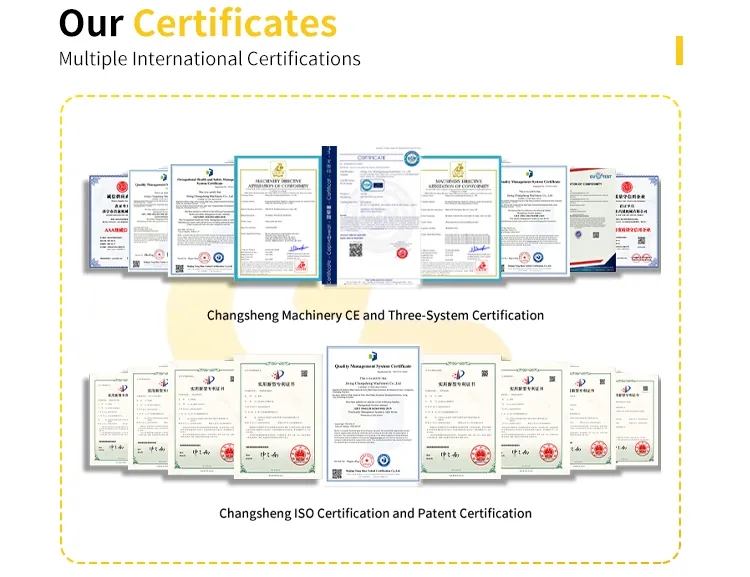
Established Chinese spider crane manufacturers now ship machines with CE marking verified by European notified bodies, ISO 9001 and ISO 14001 management systems, and export documentation accepted in over twenty countries. The boom steel is the same grade. The hydraulic components come from the same global suppliers. Engineering specifications are comparable to European and Japanese equivalents.
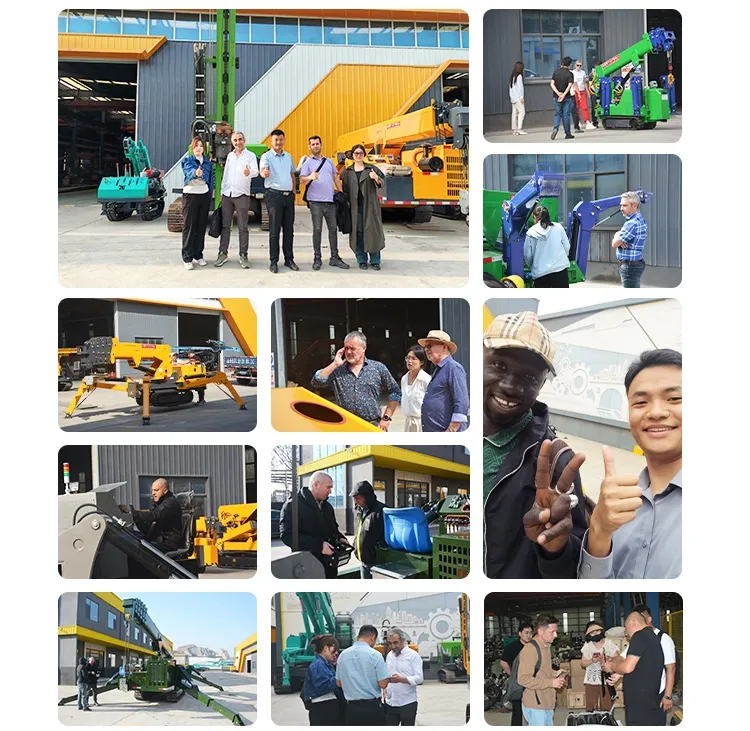
What has changed in the last five years is consistency and logistics. Manufacturers who hold full model ranges in stock — 1.2 tonnes through 16 tonnes — and ship standard configurations within days rather than months have earned repeat orders from contractors who were initially skeptical. The specification gap has narrowed considerably. What remains is mostly brand recognition, not engineering substance.
Before You Place an Order
A few things that go wrong often enough to mention:
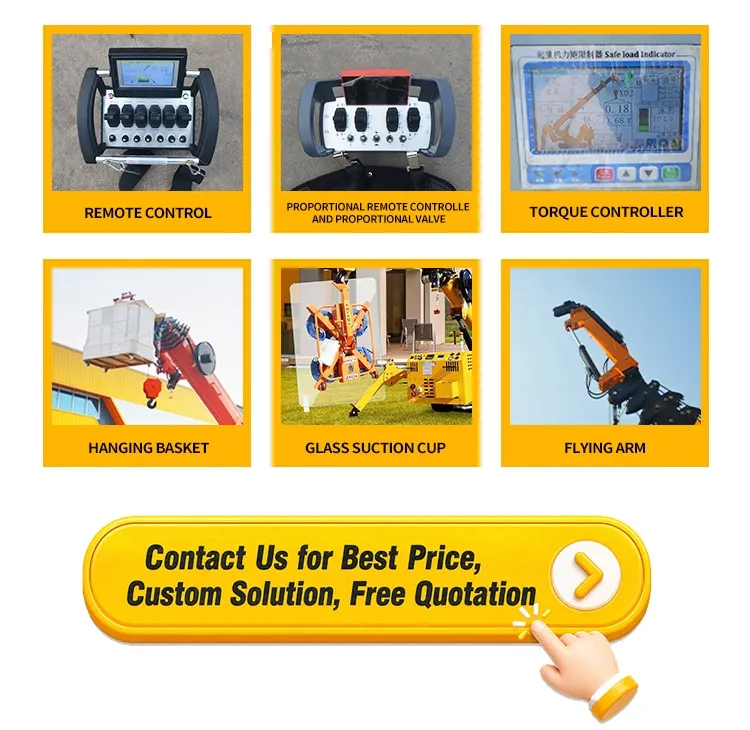
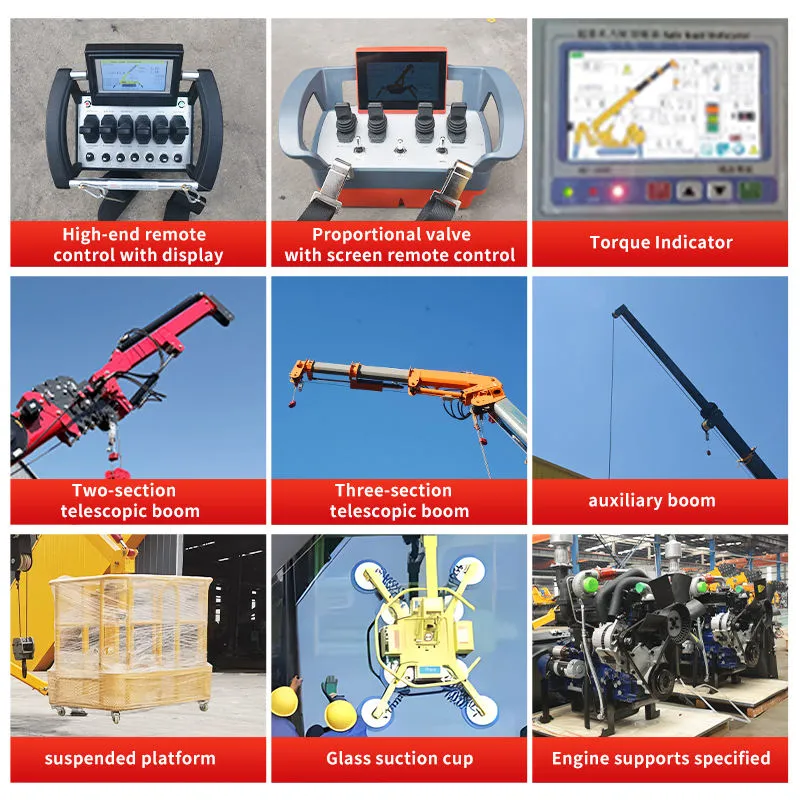
Get original CE and ISO certificates and verify them with the issuing body. Not just the PDF. Confirm the load chart covers your worst-case condition with at least 20 percent margin. Get transport dimensions in writing and physically check them against your site access before signing anything. Clarify what is included in the base configuration — load moment indicator, wireless remote, fly jib, personnel gondola — because these items are frequently optional and separately priced. And ask for a recommended spare parts list at order time. Hydraulic seals, wire rope, track pads, slew ring bolts. Having them on hand from day one eliminates the single most common cause of unplanned downtime in the first year of ownership.
Get a Load Chart for Your Project
If you are specifying a spider crane for an upcoming project, we can provide a load chart calculated against your actual conditions — weight, radius, height — along with transport verification and a powertrain recommendation for your site.
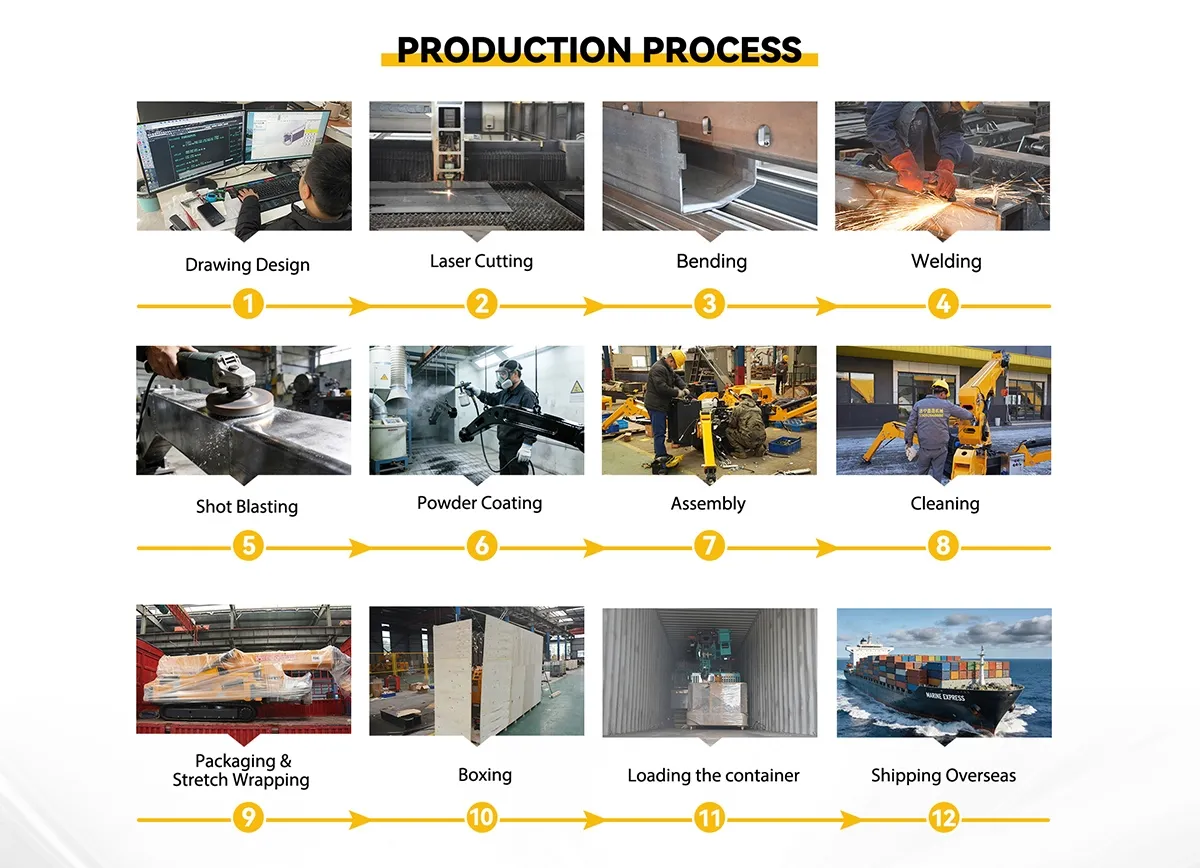
All models from 1.2T to 16T are in stock. Standard configurations ship immediately. Customized orders accommodated with confirmed lead times.
[Request a Free Specification & Quote →]

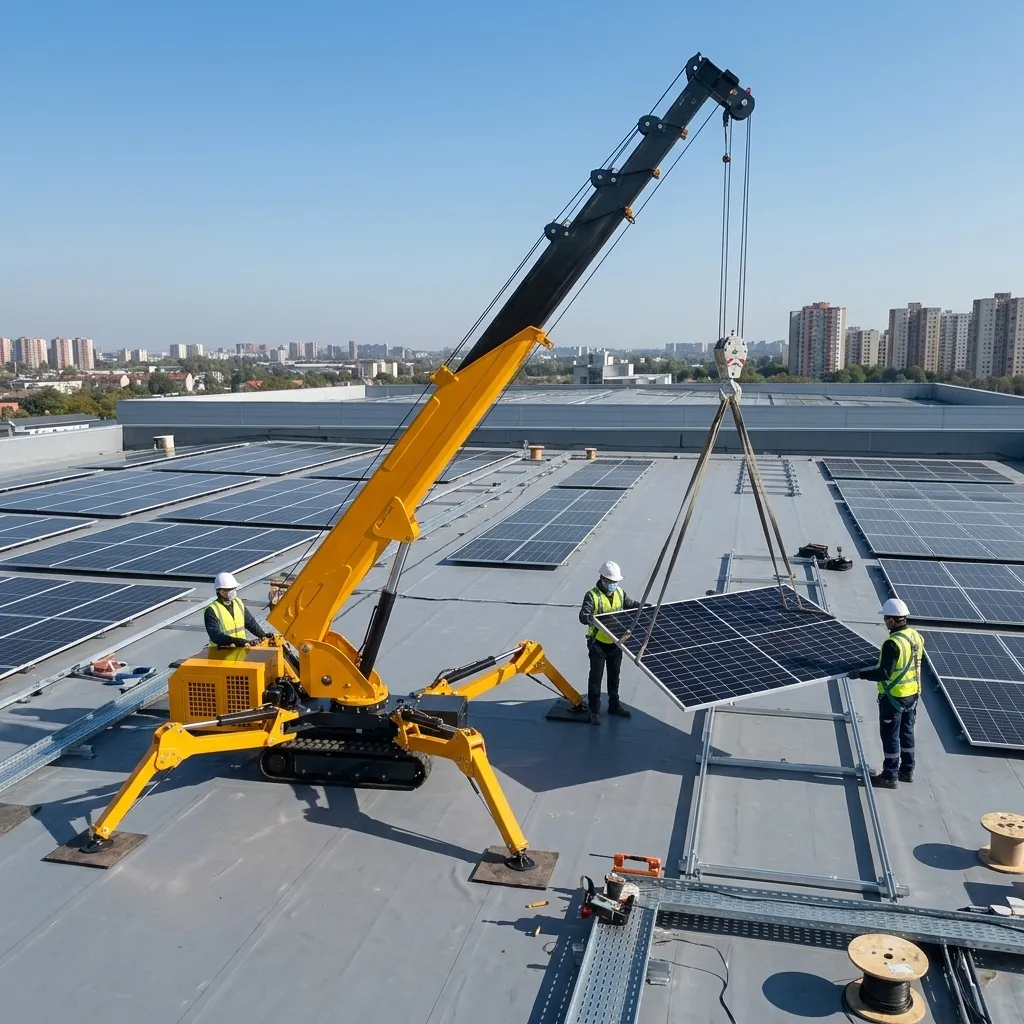 Spider Crane for Solar Panel Installation: Rooftop Lifting
 Spider Crane Common Faults & Troubleshooting Guide for M
 How to Choose Spider Crane Optional Attachments (Full Guide)
 How to Lift an HVAC Unit to a Roof with a Spider Crane