
What Is a Spider Crane? A Complete Beginner's Guide
If you've ever needed to lift heavy materials in a place where a standard crane simply couldn't fit, a spider crane may be the perfect solution. These compact lifting machines are designed to work in confined spaces while still offering impressive lifting capacity. Today, spider cranes are widely used in construction, glass installation, steel erection, equipment installation, and many other industries.
What Is a Spider Crane?
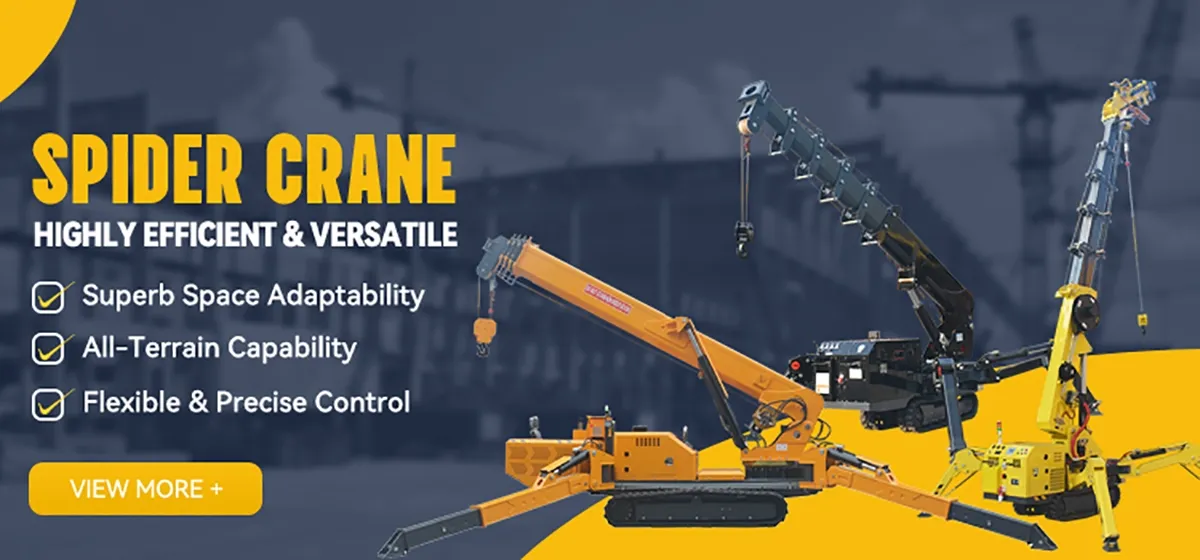
A spider crane is a compact crawler crane equipped with extendable outriggers that resemble the legs of a spider, which is where its name comes from. Unlike traditional truck cranes, a spider crane is small enough to pass through narrow entrances, operate indoors, and work in areas with limited access.
Despite its compact size, a spider crane can safely lift loads ranging from around 1 ton to more than 10 tons, depending on the model. Most modern spider cranes also feature remote control operation, allowing operators to work from a safe distance while maintaining excellent visibility.
How Does a Spider Crane Work?
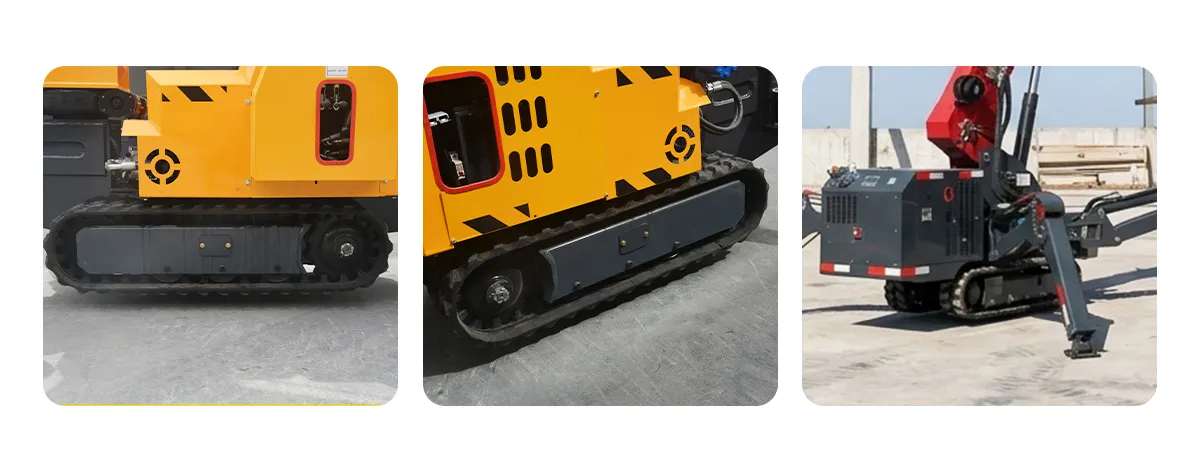
A spider crane travels on rubber crawler tracks, making it suitable for a variety of ground conditions while minimizing damage to finished floors. Once positioned, the outriggers extend to create a stable lifting platform. The boom then raises, extends, and rotates to move materials into place.
Many spider cranes can be fitted with glass vacuum lifters, hooks, or other lifting attachments, making them highly adaptable for different applications.
Main Advantages of a Spider Crane
Compact Size
Spider cranes are designed for locations where larger cranes cannot operate. They can pass through narrow gates, standard doorways, and tight construction sites.
Excellent Stability
The multi-leg outrigger system provides strong stability during lifting operations, even in confined working areas.
Indoor and Outdoor Use
Because of their compact dimensions and rubber tracks, spider cranes are suitable for both indoor and outdoor lifting projects.
Remote Control Operation
Wireless remote control improves operator safety and allows precise positioning during lifting.
Versatile Applications
One machine can be used for glass installation, steel structure erection, machinery moving, curtain wall installation, and many other lifting tasks.
Common Applications
Spider cranes are widely used in:
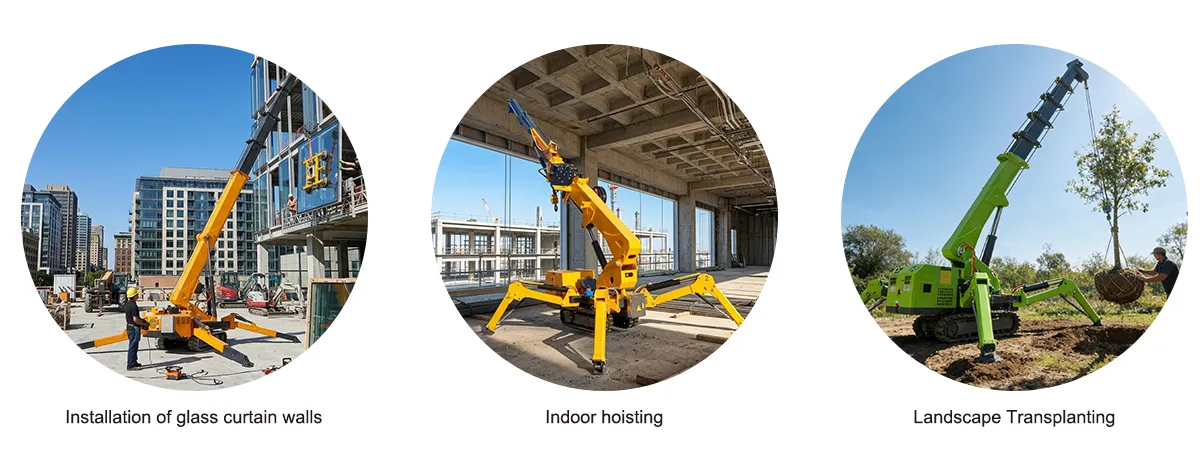
Glass curtain wall installation
Residential and commercial construction
Steel structure erection
Indoor equipment installation
Factory machinery relocation
Shopping malls and airports
Hospitals and public buildings
Roof lifting projects
Historic building renovation
Landscaping and tree transplantation
Their flexibility makes them one of the most practical lifting solutions for projects where space is limited.
How to Choose the Right Spider Crane
Selecting the correct model depends on several factors:
Maximum lifting capacity
Lifting height
Working radius
Available access width
Ground conditions
Type of material being lifted
For smaller indoor projects, a 1–3 ton spider crane may be sufficient. Medium-sized construction projects often require 5–8 ton models, while heavy-duty industrial applications may need 10–16 ton spider cranes.
Why Spider Cranes Are Becoming More Popular
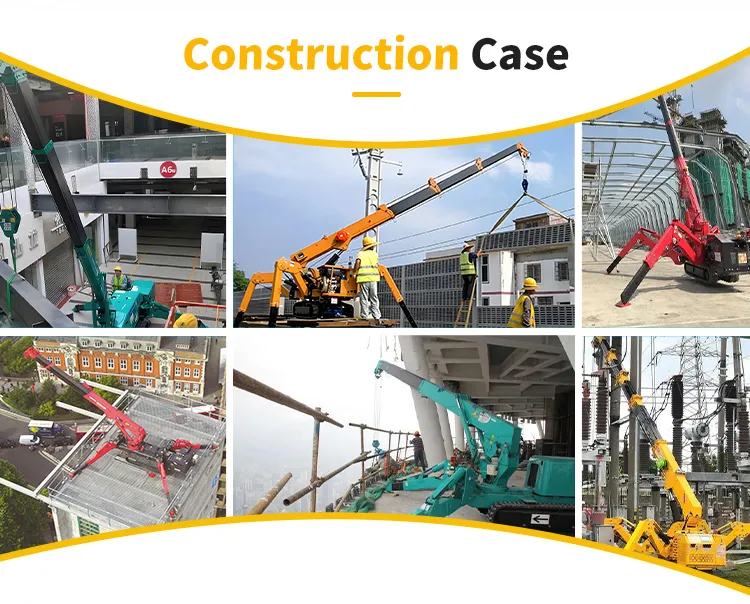
As modern construction projects become more complex and space restrictions increase, contractors need equipment that combines compact dimensions with reliable lifting performance. Spider cranes meet this demand by offering high lifting capacity, excellent maneuverability, and the ability to work where traditional cranes cannot.
Whether installing large glass panels on a commercial building or moving machinery inside a factory, spider cranes help improve efficiency while reducing labor and installation time.
Conclusion
A spider crane is a compact yet powerful lifting machine designed for projects where access is limited but lifting performance is still essential. With its small footprint, stable outrigger system, and wide range of applications, it has become an indispensable piece of equipment for modern construction and industrial lifting.
If you are looking for a reliable lifting solution for confined spaces, choosing the right spider crane can significantly improve both safety and productivity.
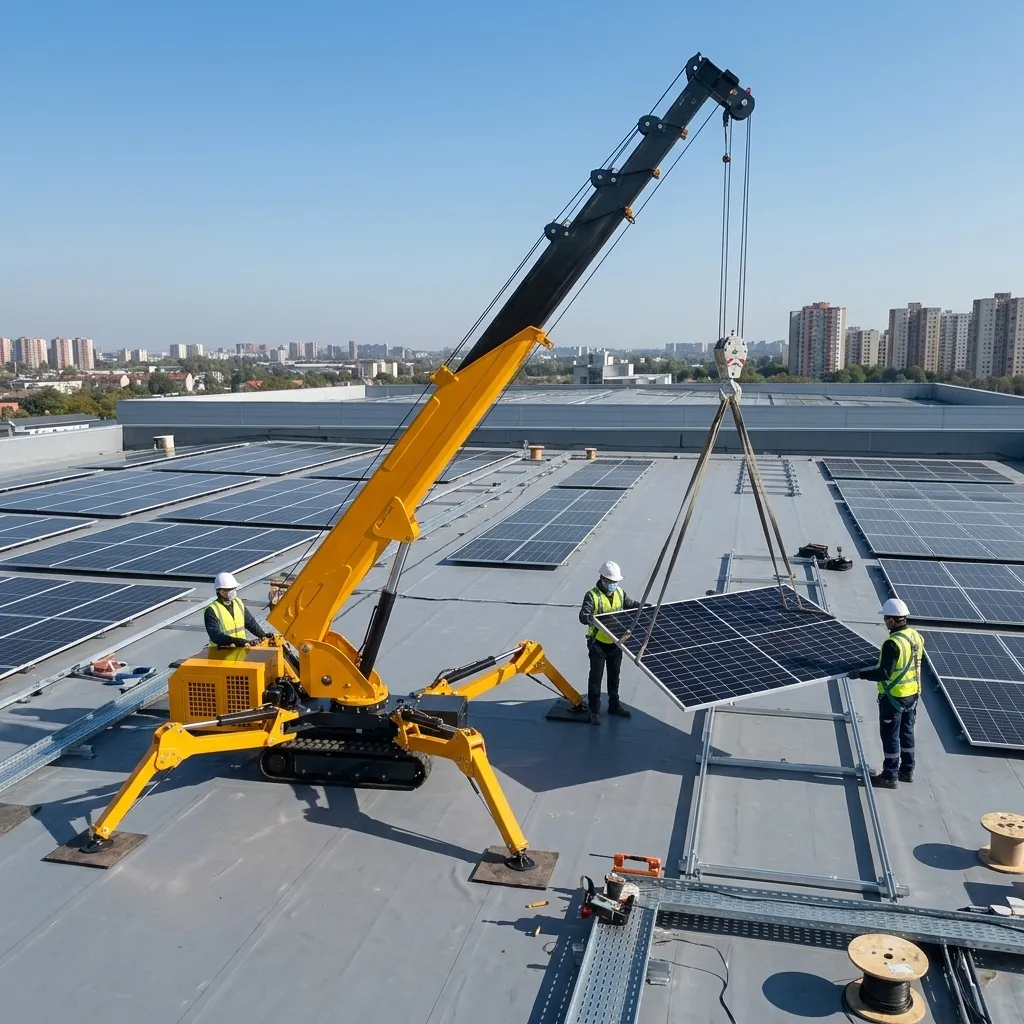 Spider Crane for Solar Panel Installation: Rooftop Lifting
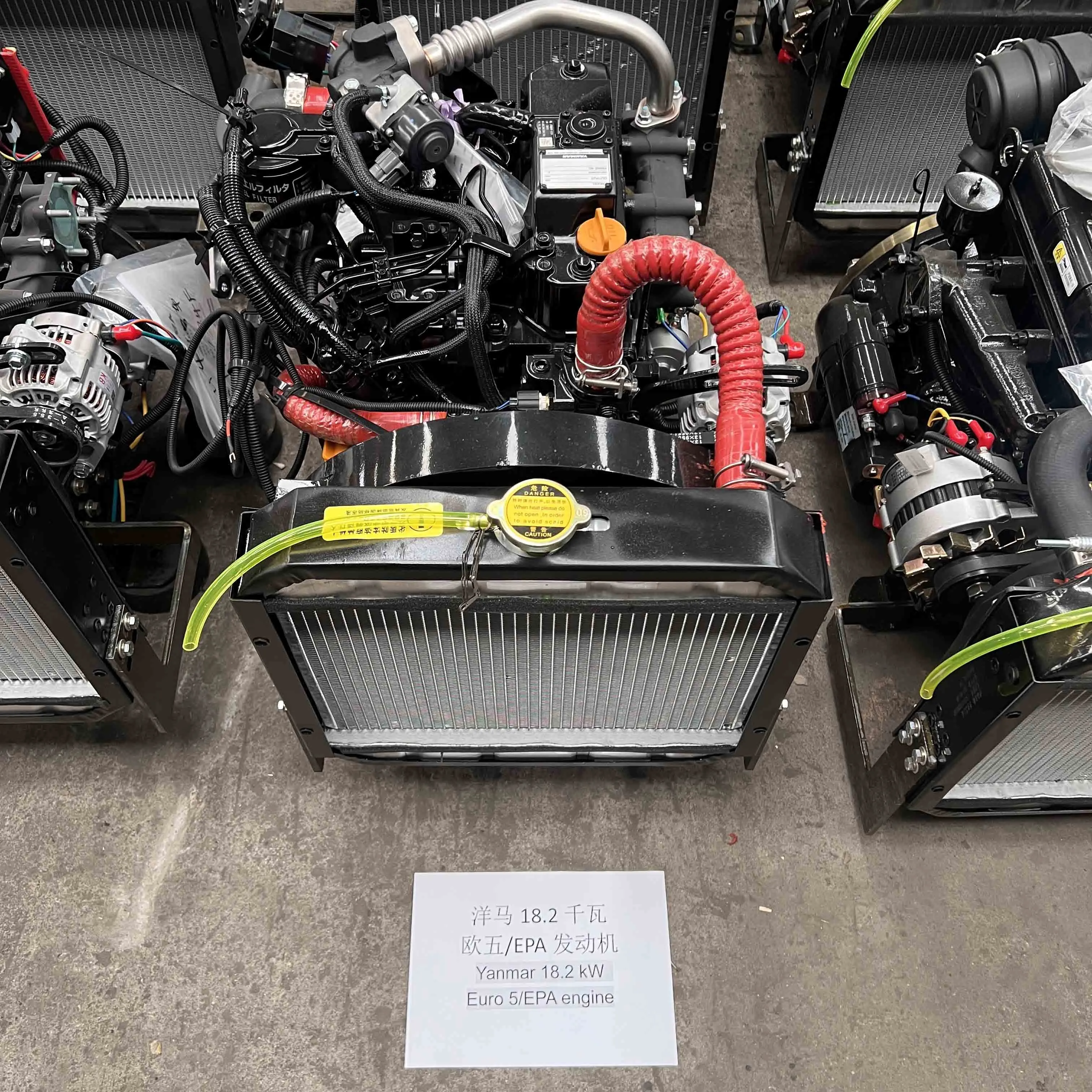 Spider Crane Common Faults & Troubleshooting Guide for M
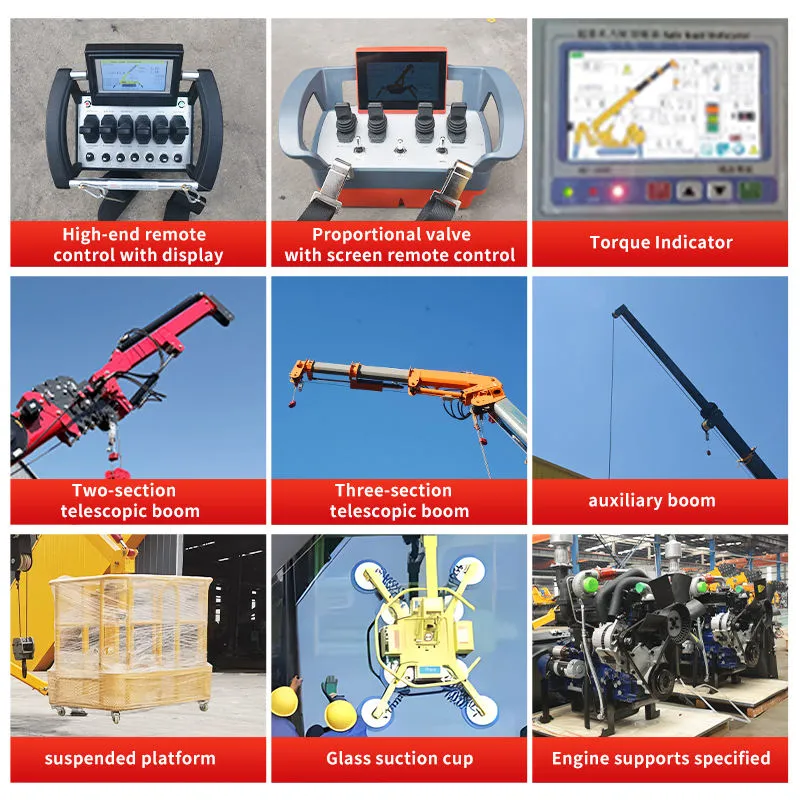 How to Choose Spider Crane Optional Attachments (Full Guide)
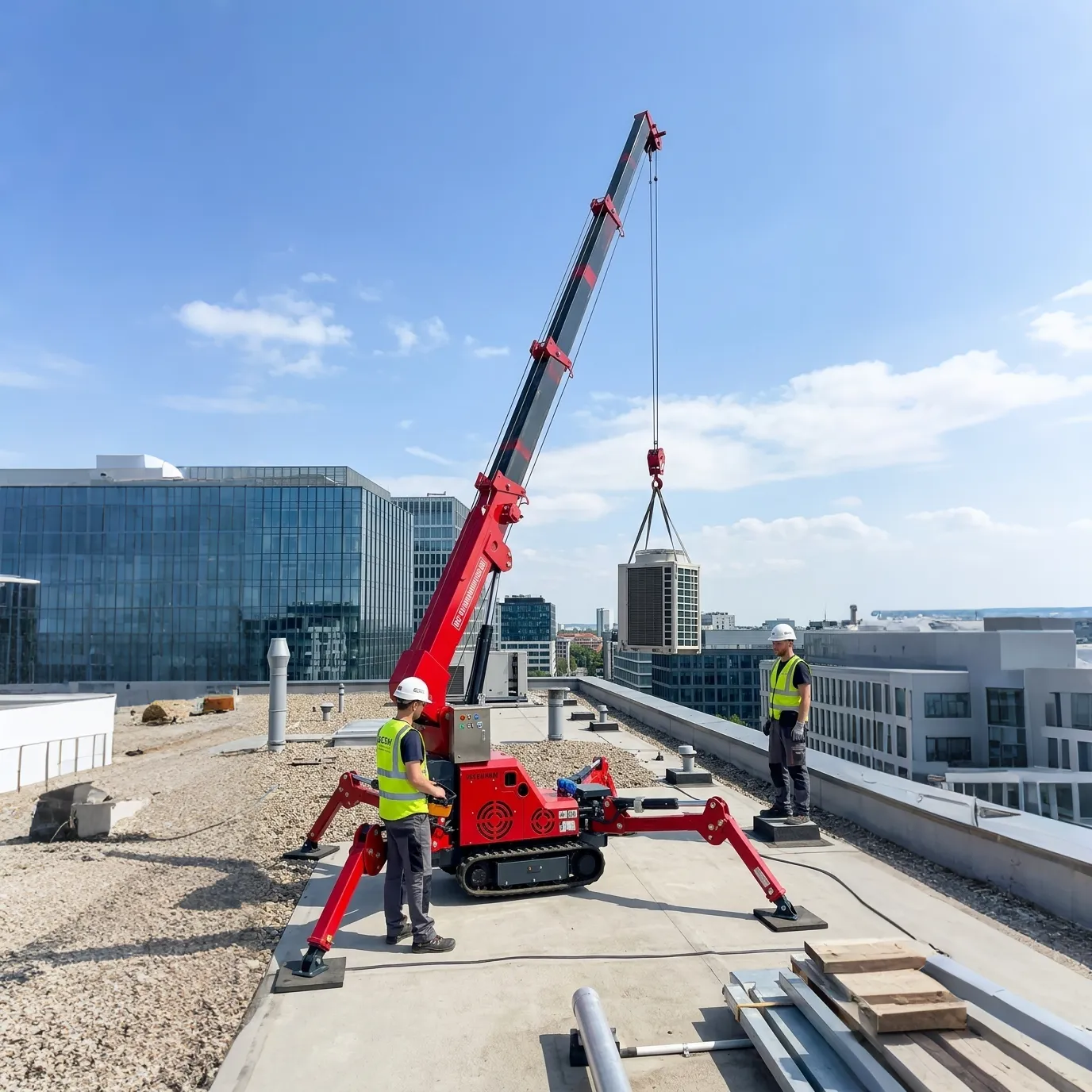 How to Lift an HVAC Unit to a Roof with a Spider Crane