
Spider Crane Manufacturer and Buying Guide
A spider crane is a compact lifting machine designed for construction, glass installation, equipment handling, rooftop work, and other projects where working space is limited. Its compact body, crawler tracks, and outriggers allow it to operate in narrow or difficult-to-access areas.
Choosing a Spider Crane Manufacturer
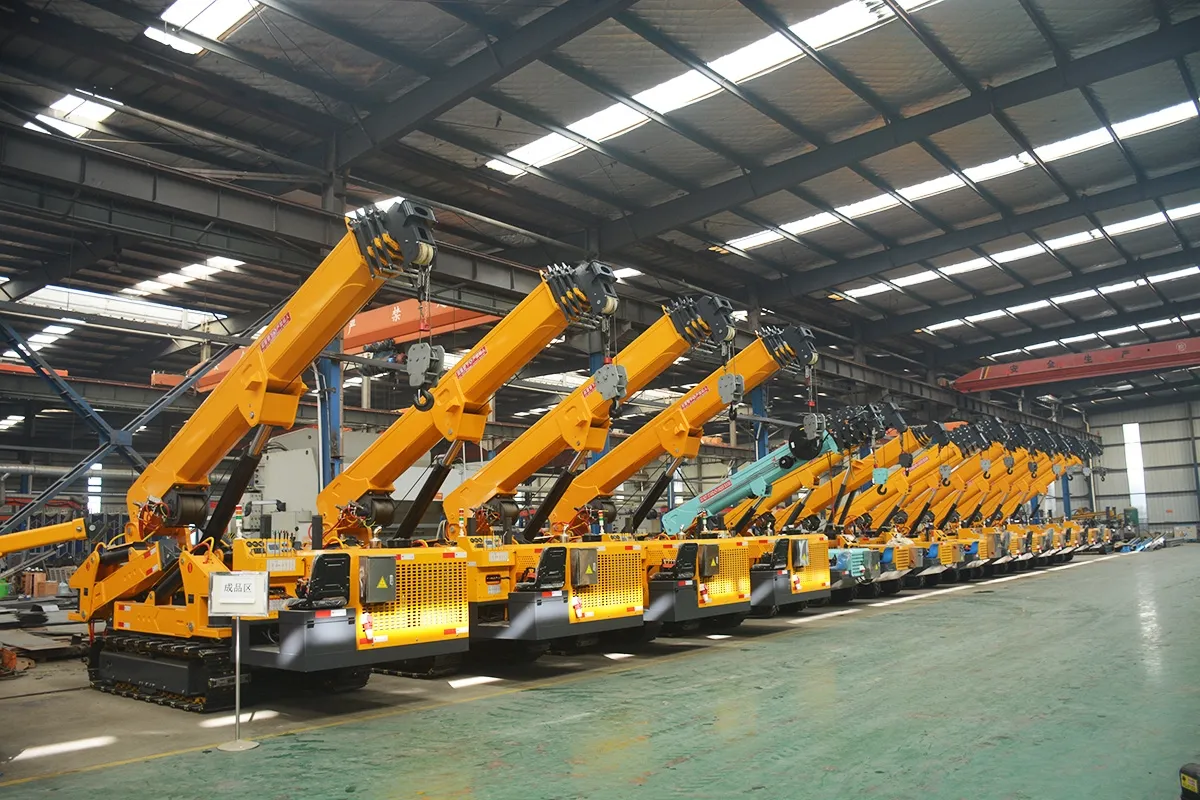
When choosing a spider crane manufacturer, consider more than the machine price. A reliable manufacturer should provide different lifting capacities, boom configurations, power systems, safety systems, remote controls, spare parts, and technical support.
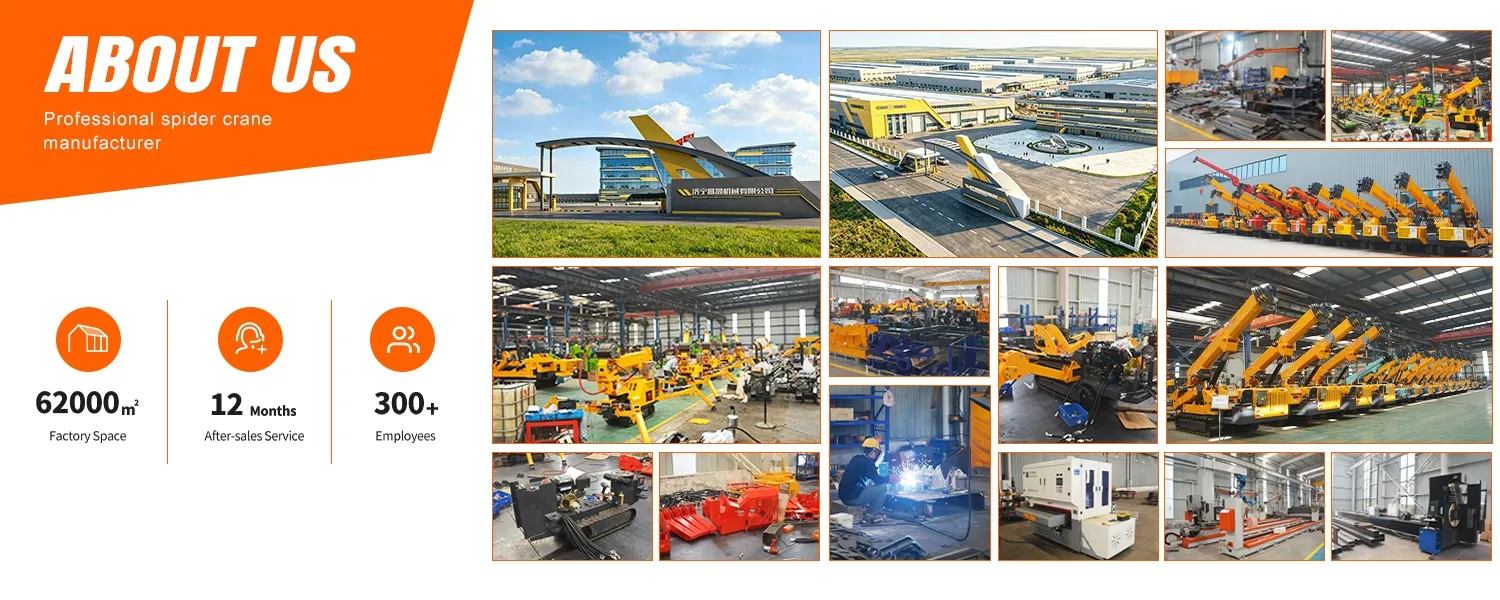
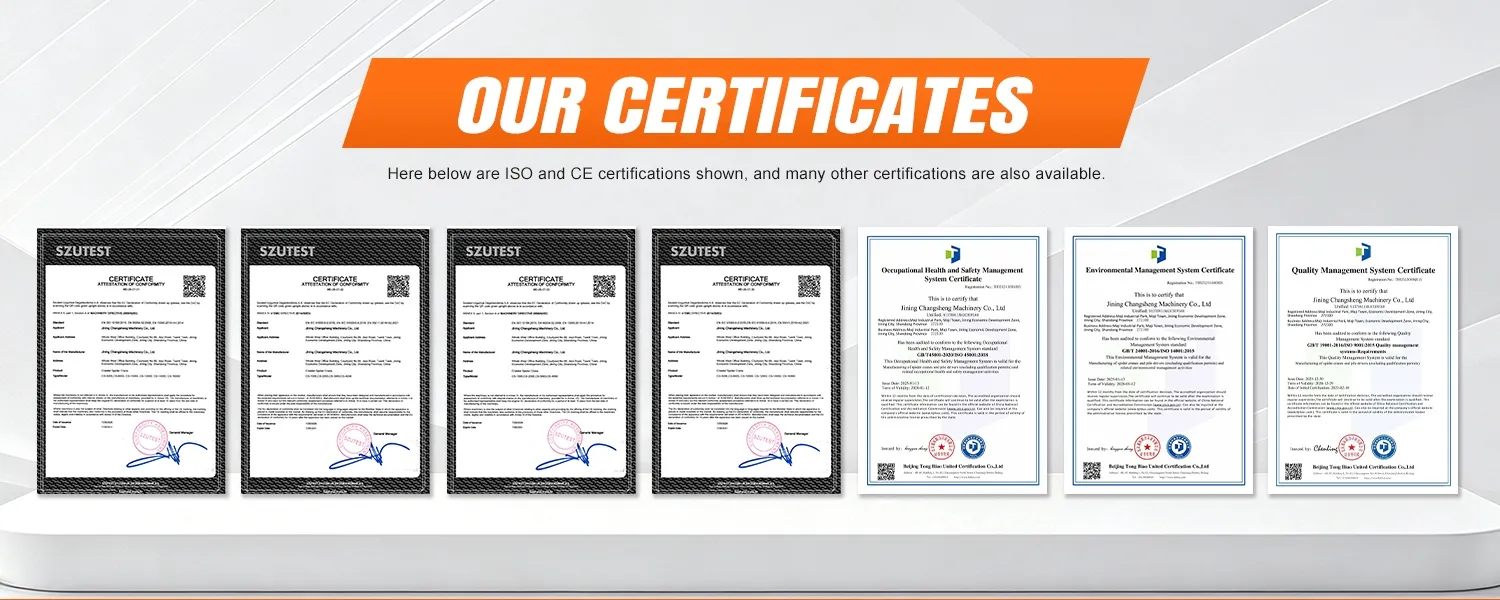
Working directly with a spider crane factory can also make OEM/ODM customization and technical communication easier. For overseas buyers, a professional China spider crane manufacturer should also have export experience and provide complete documentation and shipping support.
Spider Crane for Sale
When searching for a spider crane for sale or mini spider crane for sale, determine your actual lifting requirements first:
Maximum load
Working radius
Lifting height
Boom length
Transport width
Ground conditions
Indoor or outdoor operation
Power requirements
A crane's rated capacity changes according to the working radius, so load, radius, and lifting height should always be considered together.
Spider Crane Price and Cost
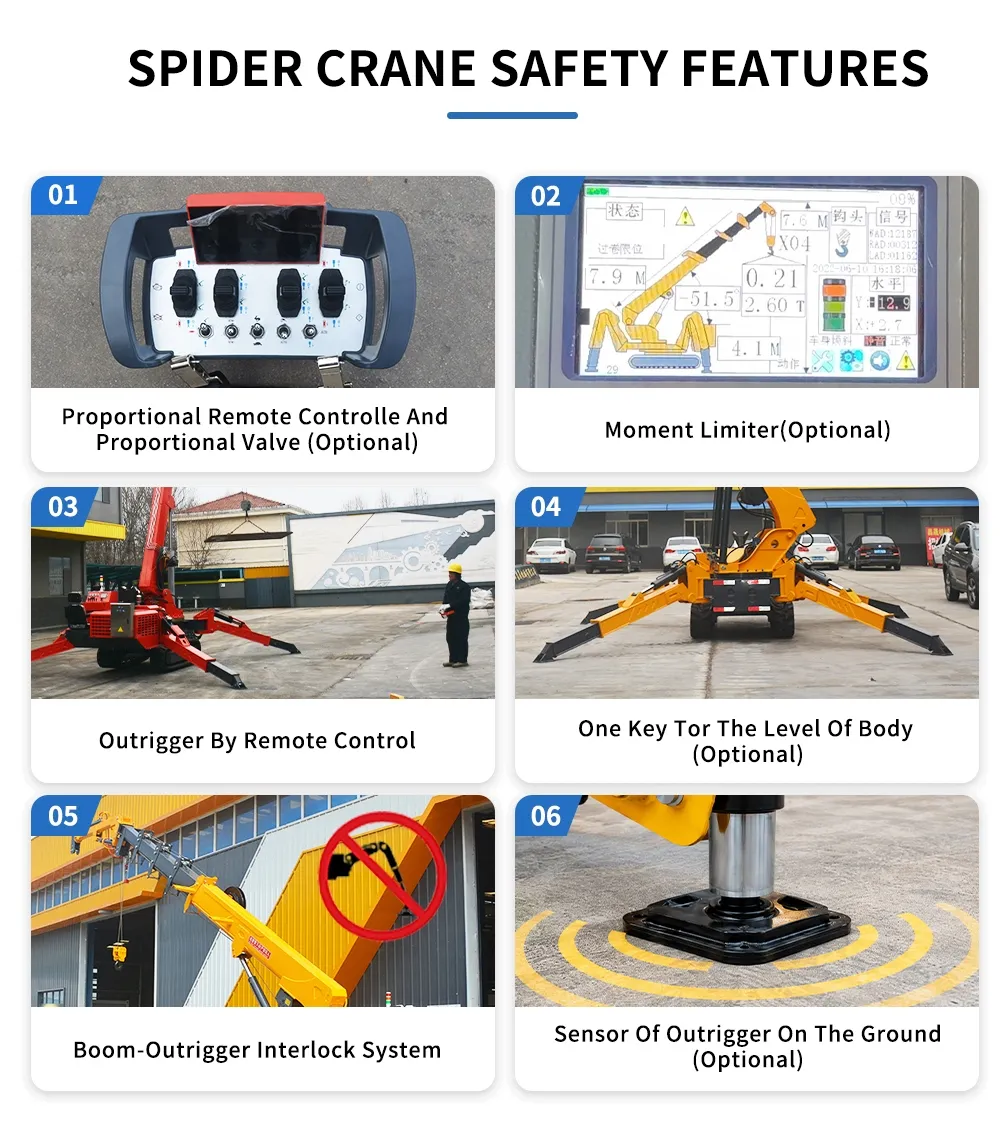
Spider crane price depends on lifting capacity, boom length, power system, control system, safety equipment, and customization.
The total spider crane cost may also include optional equipment, spare parts, transportation, and service. Buyers should therefore request a quotation based on the required configuration instead of comparing only the advertised starting price.
Mini Spider Crane Options
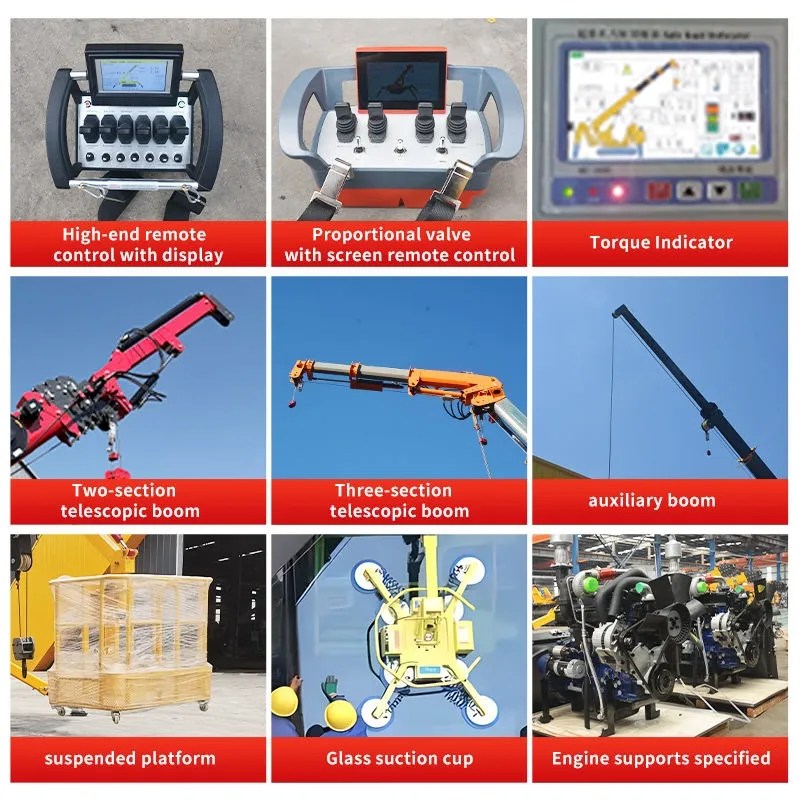
Different projects require different models. Common options include:
1–2 ton mini spider cranes
3–5 ton spider cranes
8 ton and larger crawler spider cranes
Electric spider cranes
Diesel spider cranes
Remote control spider cranes
Electric models are suitable for many indoor applications, while diesel models are commonly used for outdoor construction where independent power is required.
Spider Crane Applications
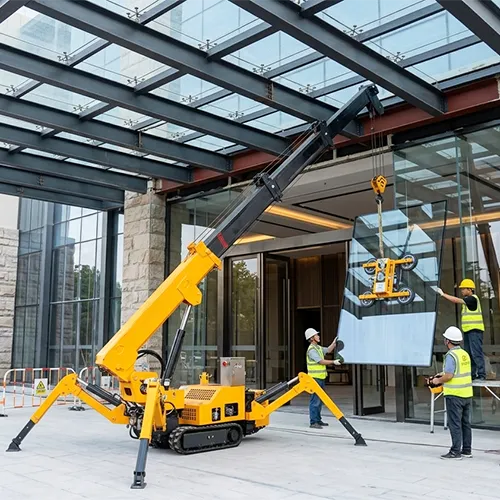
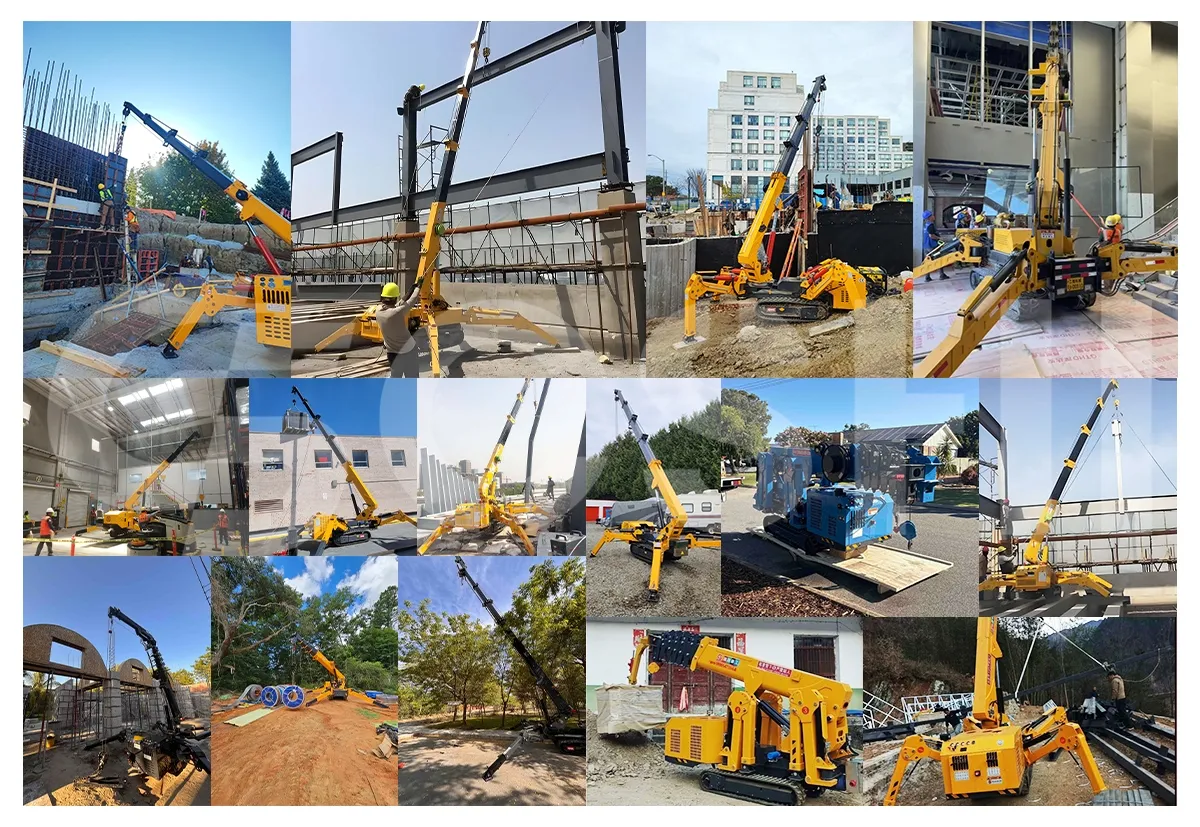
The main advantage of a spider crane is its ability to lift materials in restricted areas where conventional cranes may have difficulty operating.
Typical applications include:
Glass installation – lifting and positioning glass panels around buildings.
Steel structure installation – lifting beams and steel components on construction sites.
Equipment installation – handling air-conditioning units, machinery, and other equipment.
Rooftop lifting – transporting materials and equipment to upper floors and rooftops.
Indoor construction – working inside factories, warehouses, commercial buildings, and renovation projects.
Landscaping – lifting trees, stones, and landscape materials in confined areas.
How to Select the Right Spider Crane
Before purchasing a mini crawler crane, provide the supplier with:
Required lifting capacity
Maximum working radius
Required lifting height
Site access width
Indoor or outdoor working conditions
Required power system
Remote control requirements
OEM/ODM requirements
A professional spider crane supplier can then recommend the appropriate model and configuration.
Find the Right Spider Crane Supplier
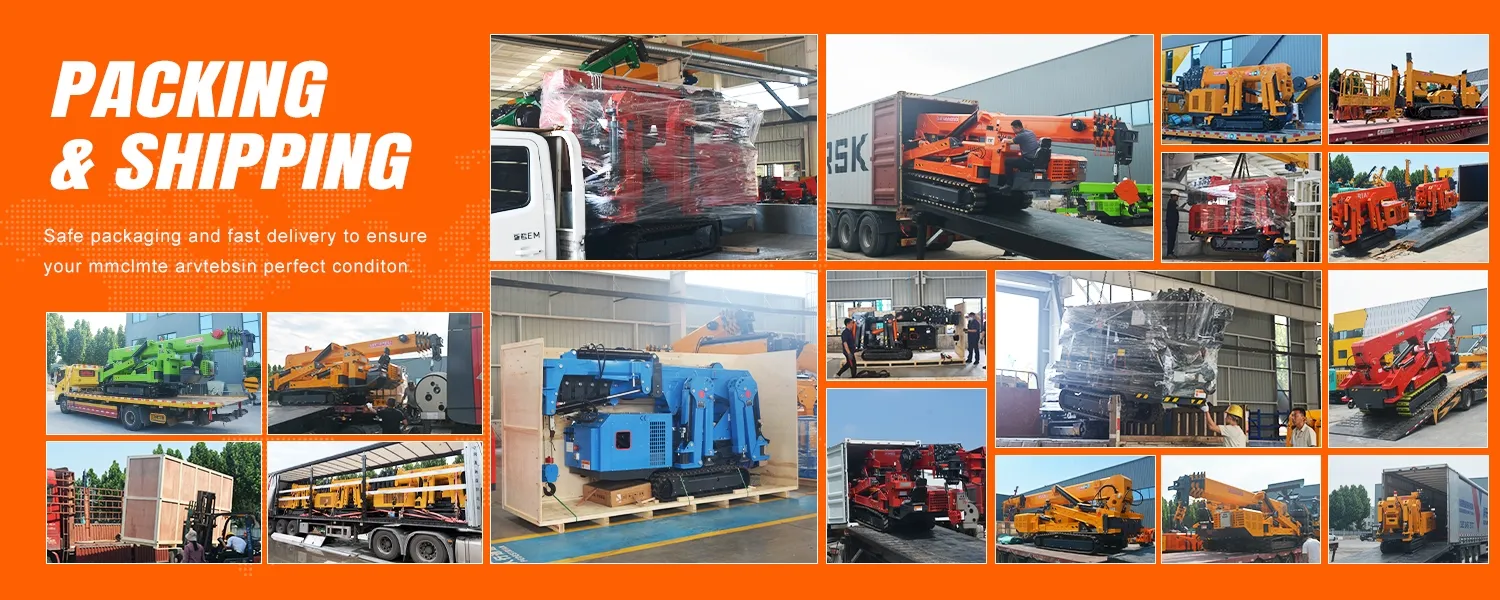
Whether you are looking for a spider crane for sale, mini spider crane for sale, or a China spider crane manufacturer, compare machine specifications, lifting performance, manufacturing capability, spare parts, warranty, and technical support.
Choosing the correct spider crane according to load, radius, height, and site conditions can provide a reliable lifting solution for construction, glass installation, equipment installation, rooftop work, and narrow-space projects.
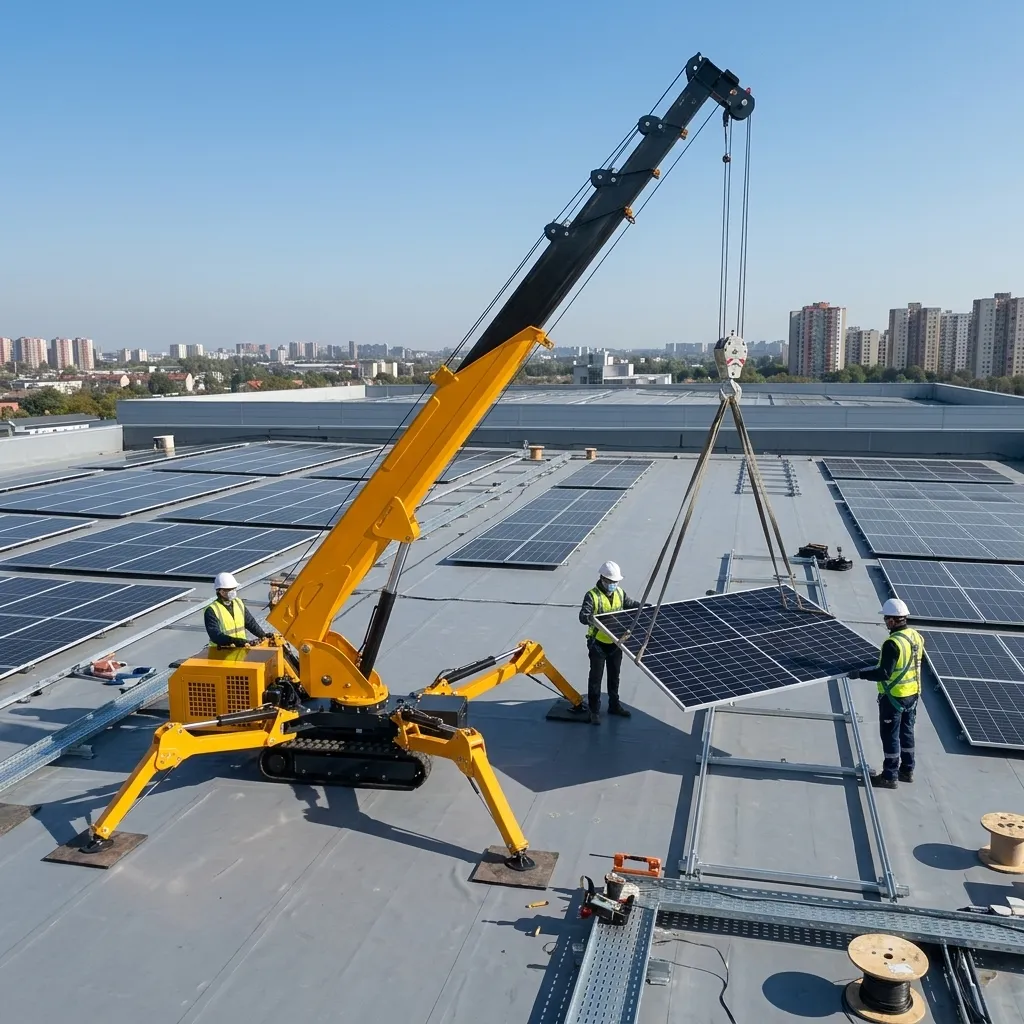 Spider Crane for Solar Panel Installation: Rooftop Lifting
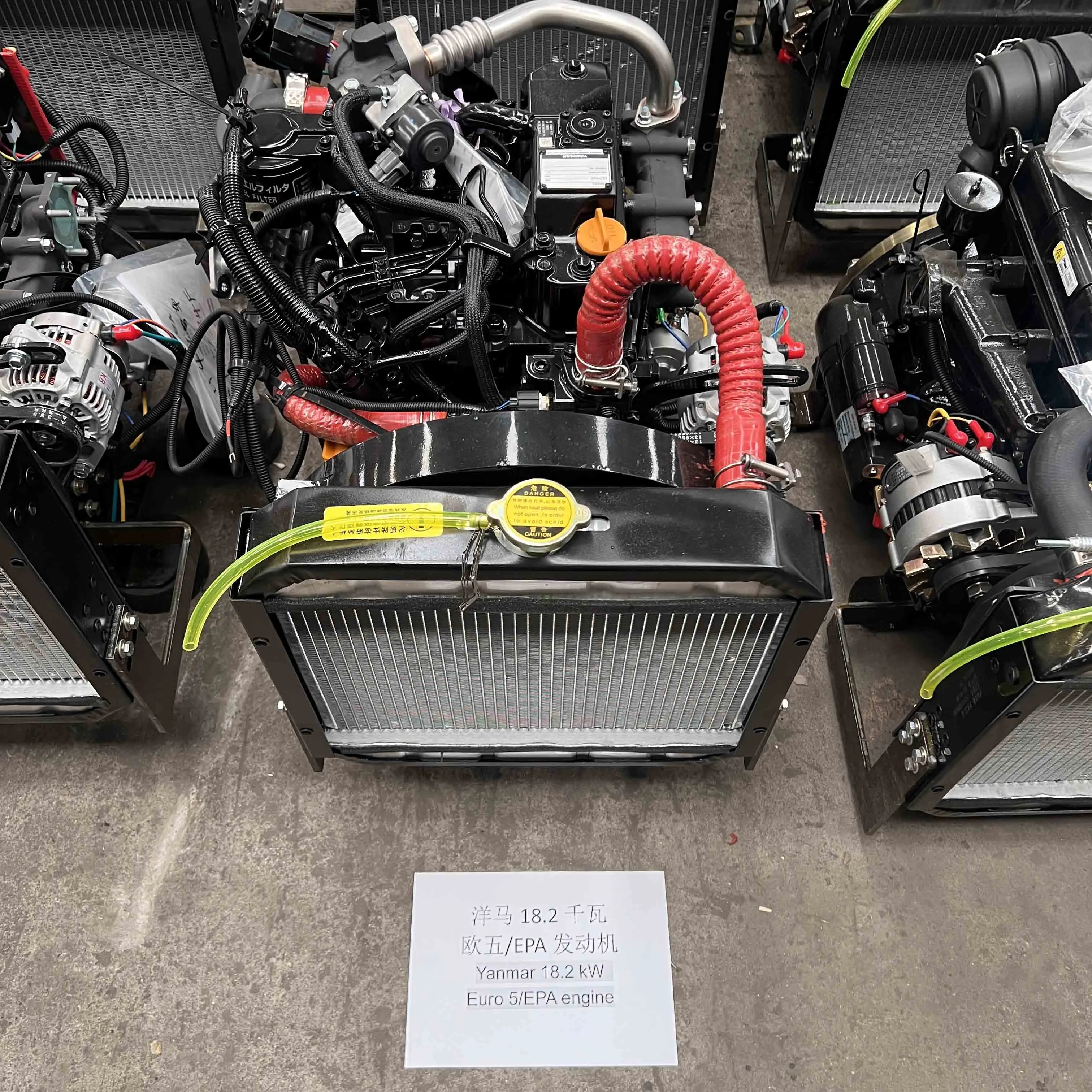 Spider Crane Common Faults & Troubleshooting Guide for M
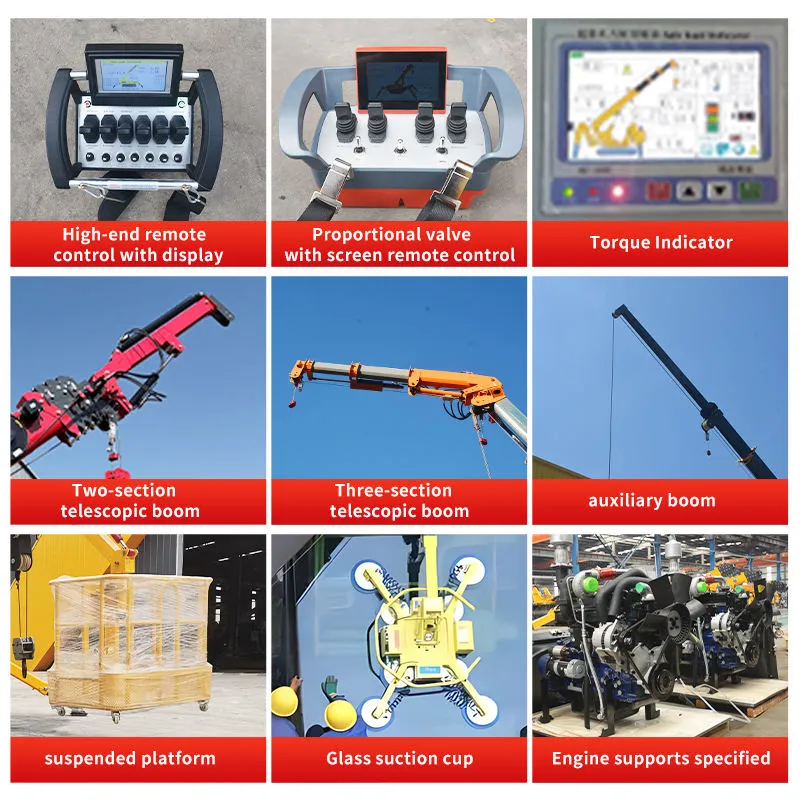 How to Choose Spider Crane Optional Attachments (Full Guide)
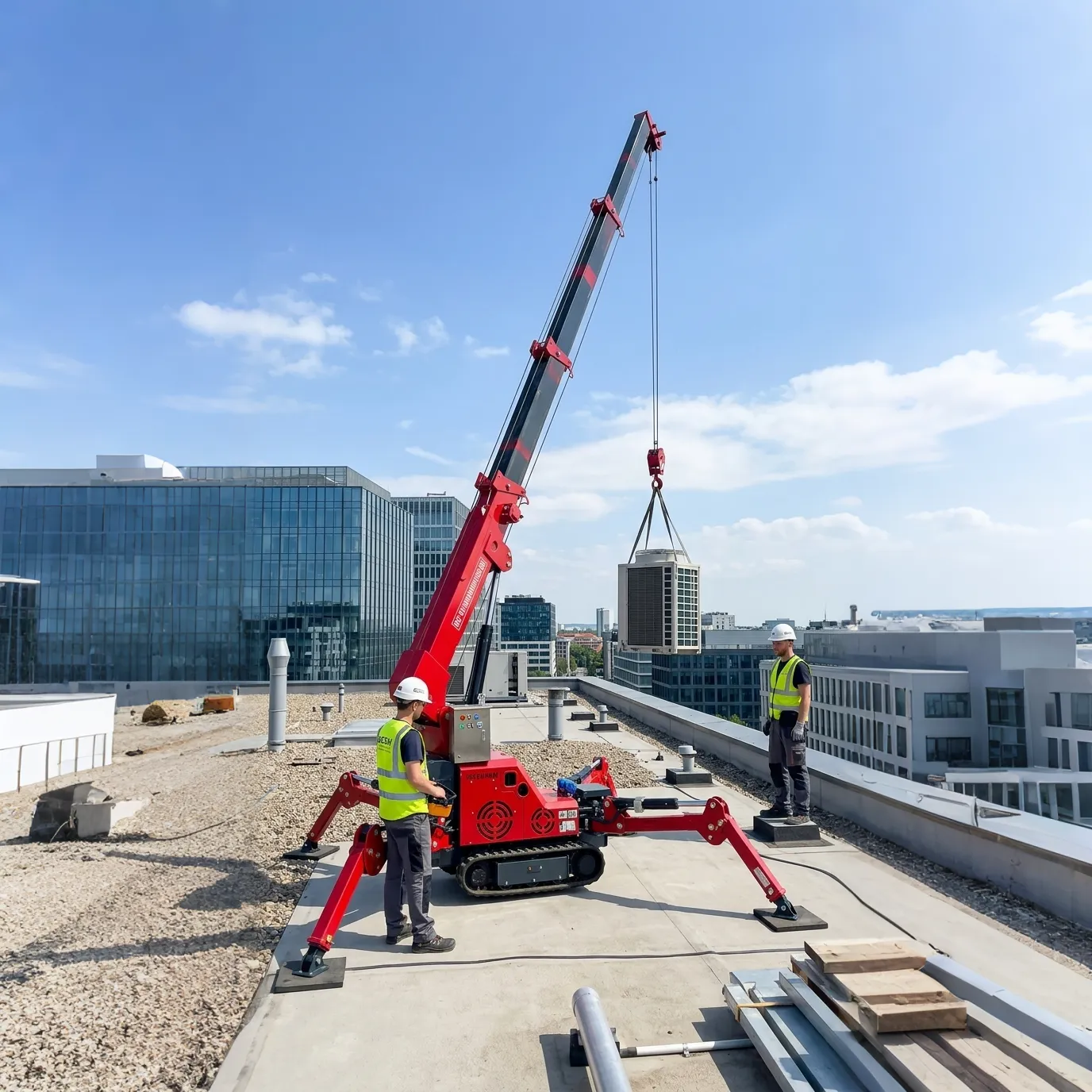 How to Lift an HVAC Unit to a Roof with a Spider Crane