
Spider Crane Safety: Safe Operation Tips for Mini Crawler Crane
Spider Crane Safety: Operating Compact Cranes Without Taking Chances
There's a quiet assumption on too many jobsites: because a spider crane is small, it must be low-risk. It isn't. A compact mini crawler crane working between finished walls, overhead, or on a rooftop faces tighter margins than a big yard crane — less room to correct a swing, less warning before ground gives way. Almost every spider crane incident traces back to a handful of habits within your control. Here's how experienced crews run these machines safely.
Start With the Load Chart, Not the Nameplate
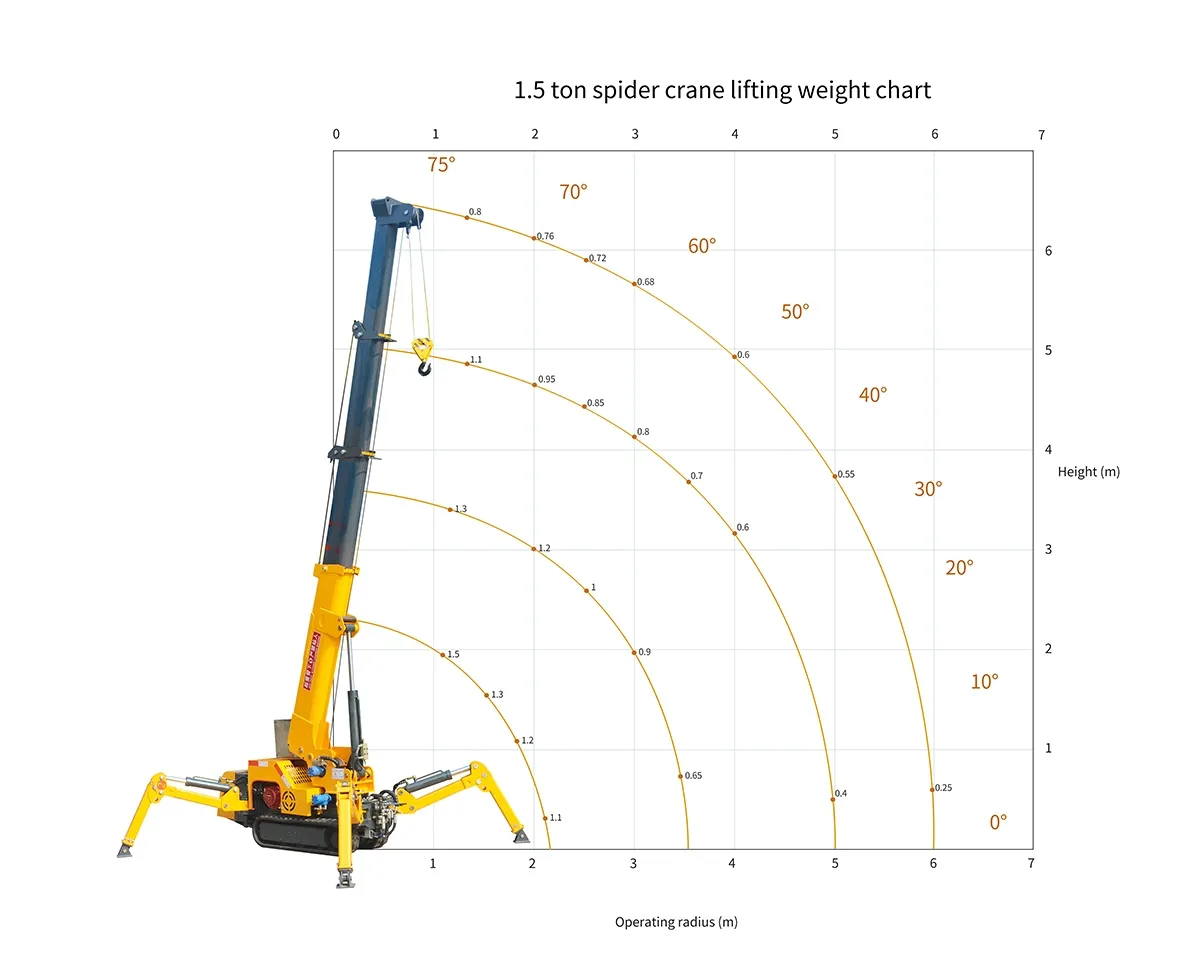
The single most common mistake is treating rated capacity — 1.2 ton, 3 ton, 5 ton — as a fixed number. It isn't. That figure only holds at a short radius and steep boom angle. Every CSHI model ships with a lifting weight chart plotting allowable load against operating radius and boom angle, and the numbers drop off fast as the boom extends and lowers.
On a 1.2-ton CS-1200, capacity at close radius is 1.2 to 1.3 tons, but at a 5-metre radius near horizontal it falls to a fraction of that. Before any lift, find the exact intersection of radius and angle on the chart and confirm the load weighs less. If the figure sits right on the line, take the next model up. Re-check whenever lift geometry changes.
Set the Outriggers Like the Lift Depends on Them
A spider crane's stability lives in its four legs, not its tracks. On CSHI machines the outriggers screw out and take weight hydraulically, with three-section legs on smaller models and two-section legs on units like the 5-ton CS-5000.
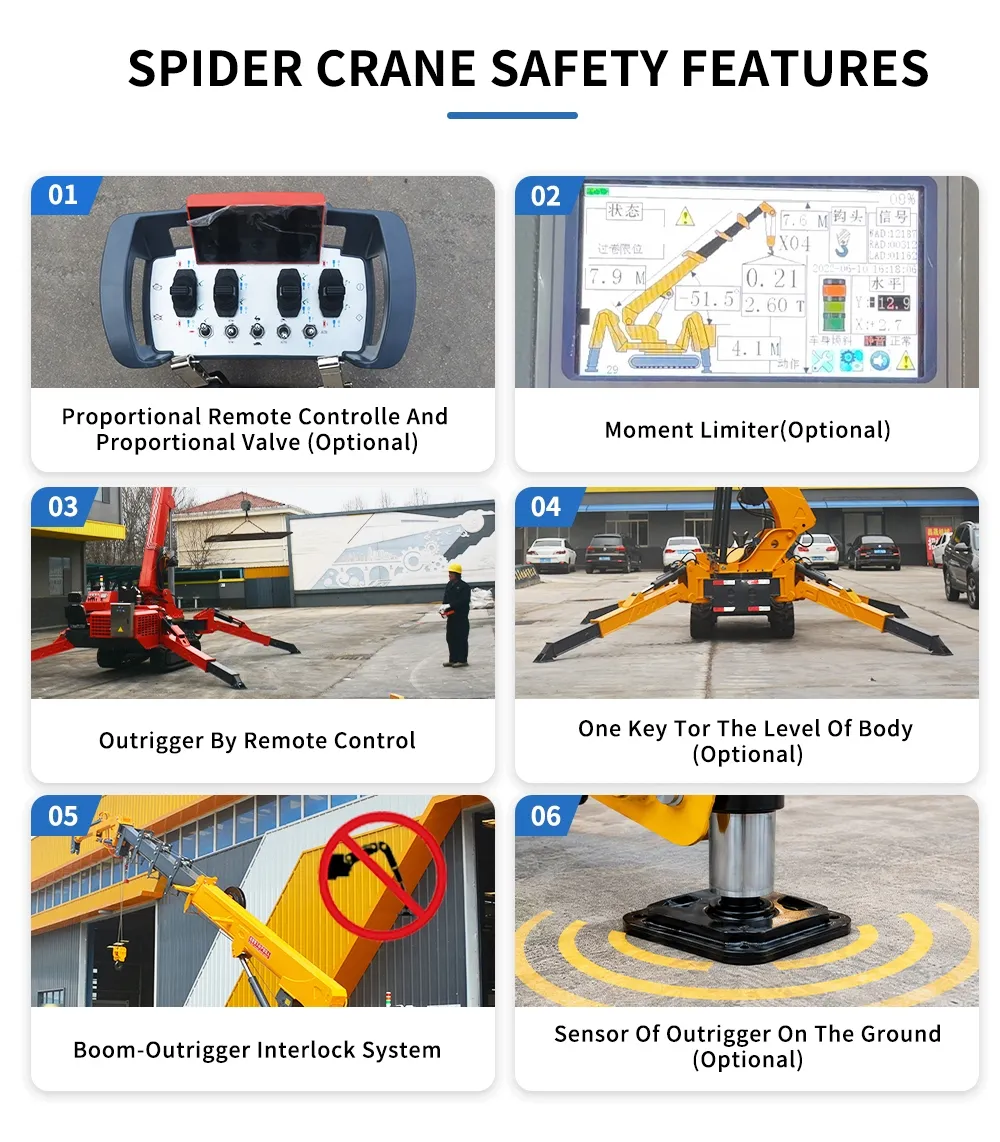
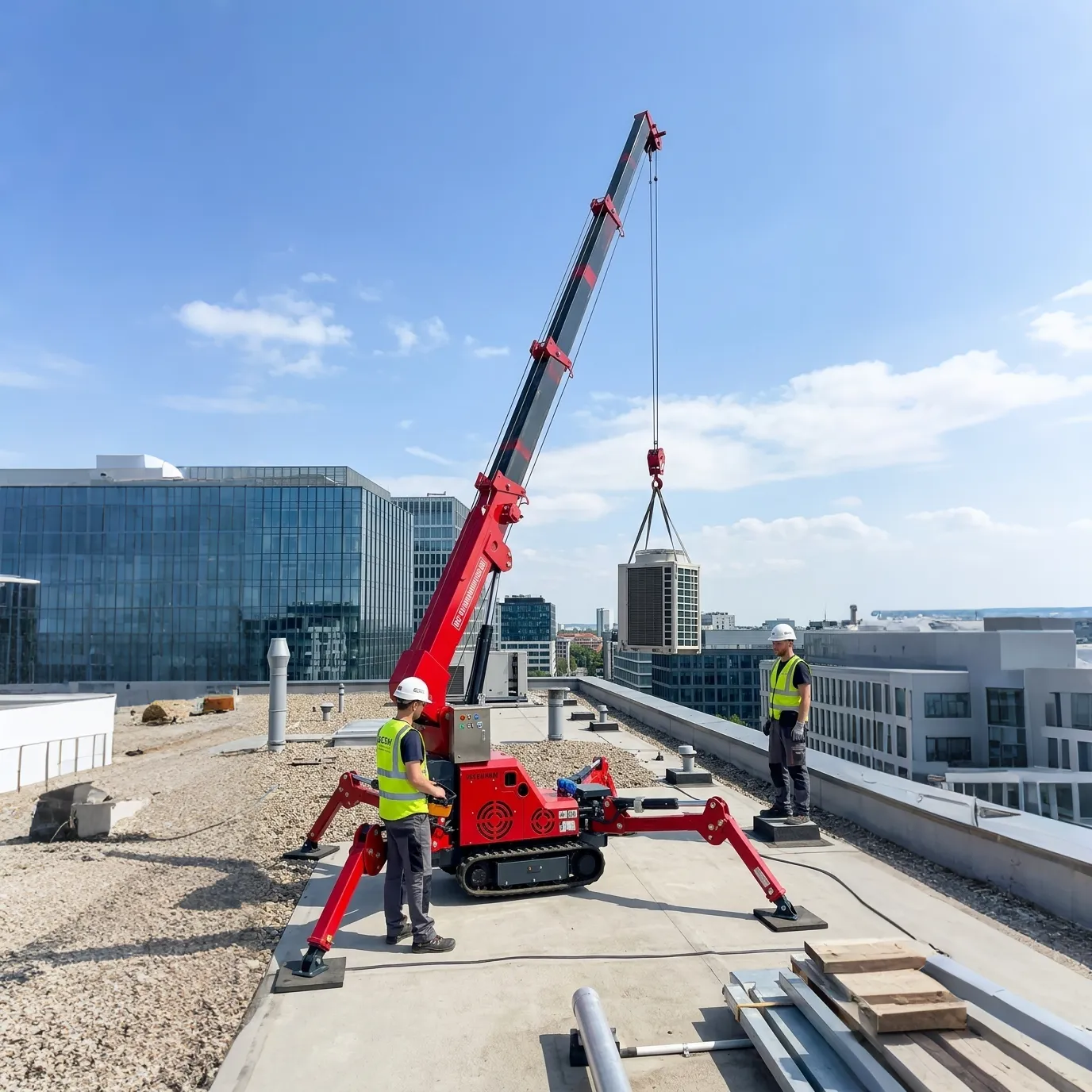
Deploy every leg to the position the lift calls for, level the chassis, and set pads or dunnage under each foot to spread load on soft or finished ground. A floating foot — one not carrying its share — means the other three cover for it, and that's how machines tip during slew. Never move an outrigger while the boom is loaded, and never lift with legs partly set unless the chart has a partial-outrigger rating you're following.
Keep People Out of the Lift Envelope
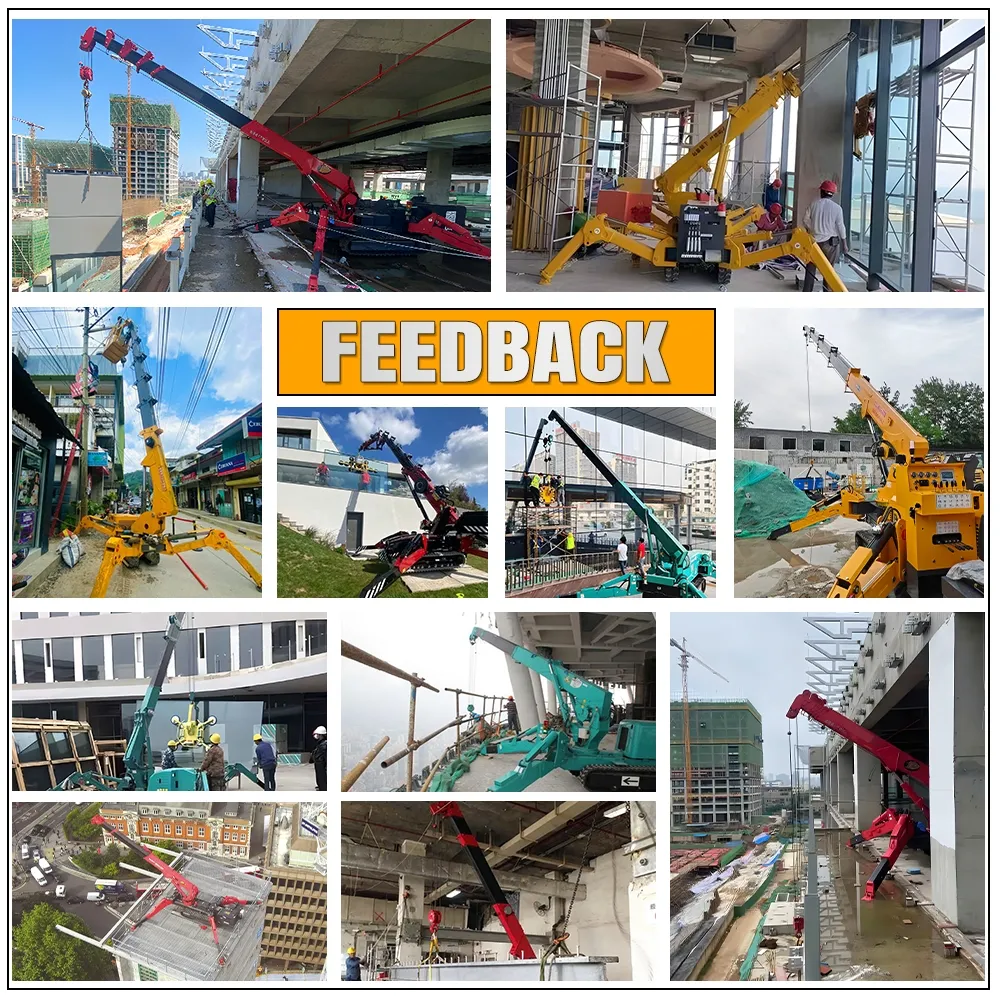
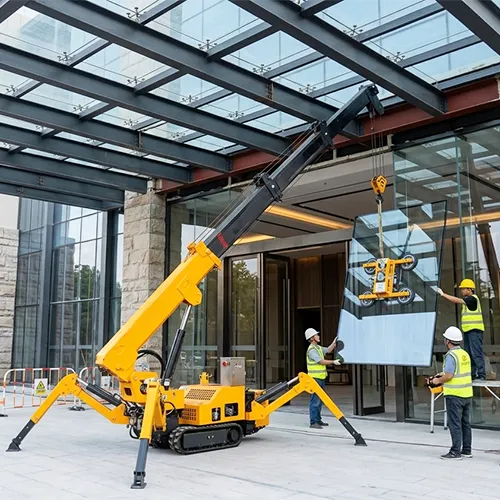
Compact cranes often work where other trades are active, which is why exclusion matters more, not less. Keep everyone clear of the swing radius and, as the warning on every boom spells out, never let anyone stand or pass under a suspended load. A rigger guiding the load stays off its line of travel and signals a dedicated operator.
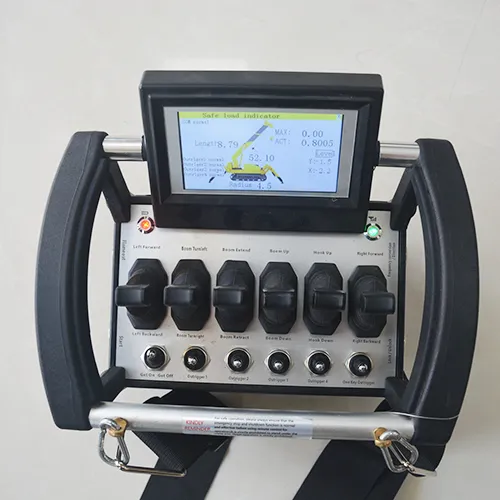
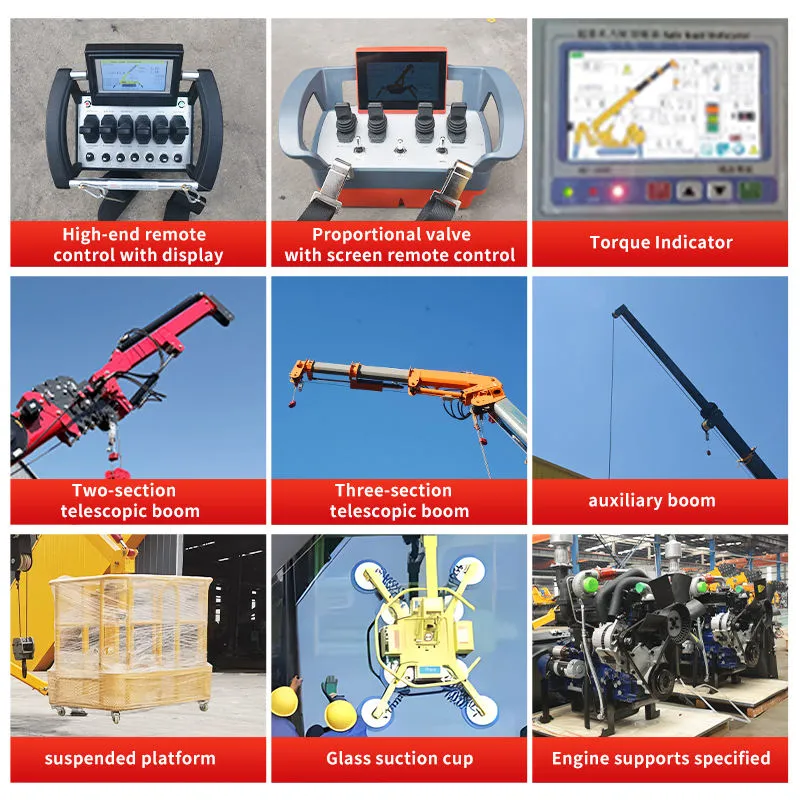
A wireless remote is one of the most useful safety upgrades here. It lets the operator stand where they can actually see the load and pinch points instead of being locked to a fixed station. Pair it with clear signals or a radio, one spotter per lift, and a rule that swinging stops the moment anyone enters the envelope.
Use the Safety Devices — and Check Them First
A load moment indicator watches radius, angle, and load in real time and warns or locks out before overload. On a machine doing varied lifts all day, that backup earns its keep. Before work, test the indicator, emergency stop, horn, winch brake, and hook latch rather than assuming they function. Inspect the wire rope — 8 mm on small CSHI units, 12 mm on the 10-ton class — for broken wires, kinks, and crushing, and confirm the hook moves smoothly (smaller units hoist at 0–8 m/min).
Match Power and Movement to the Space
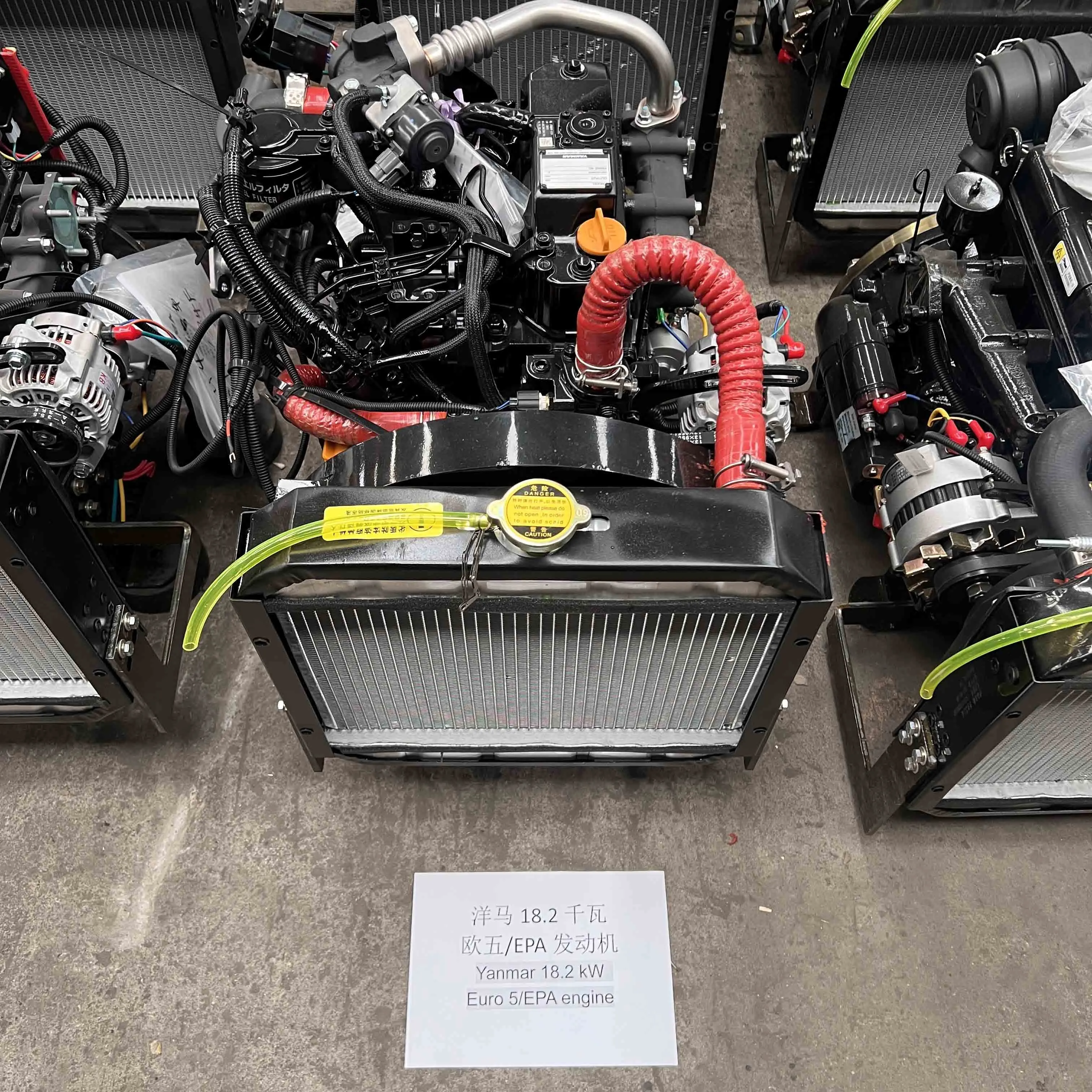
The dual-power setup is a safety feature in its own right. Indoors or in basements, run on the AC380V electric motor so no exhaust accumulates in a space that can't clear it; outdoors, switch to diesel for unrestricted movement. That removes a carbon-monoxide risk crews underestimate on long indoor shifts.
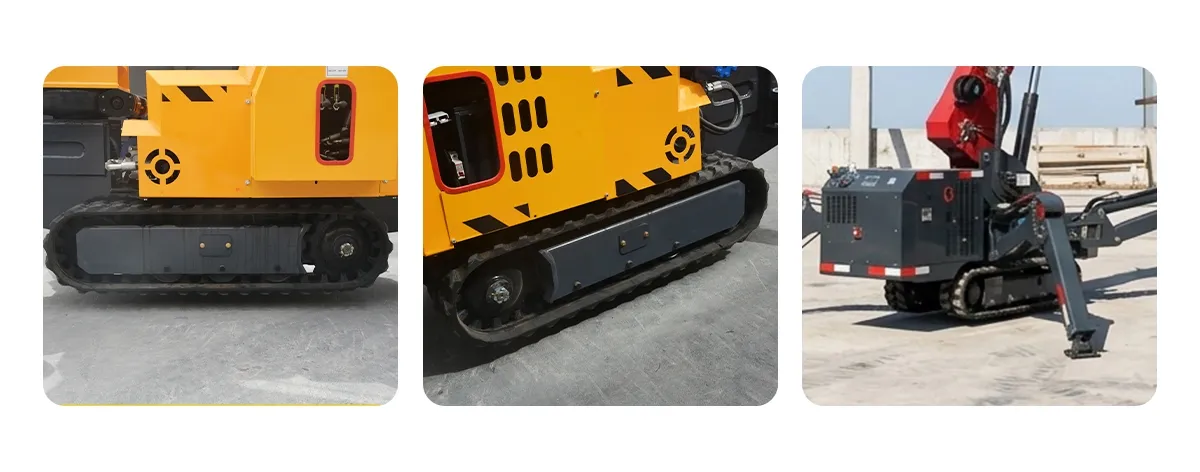
When tracking, respect the limits: travel tops out around 2.5 km/h and gradeability at 25 degrees (about 36 percent). Keep the boom tucked, the load low and close, and avoid swinging on slopes or soft patches. On rooftops and mezzanines, confirm the floor can carry both the machine's self-weight and its outrigger point loads before rolling on.
Treat Daily Maintenance as Safety Work
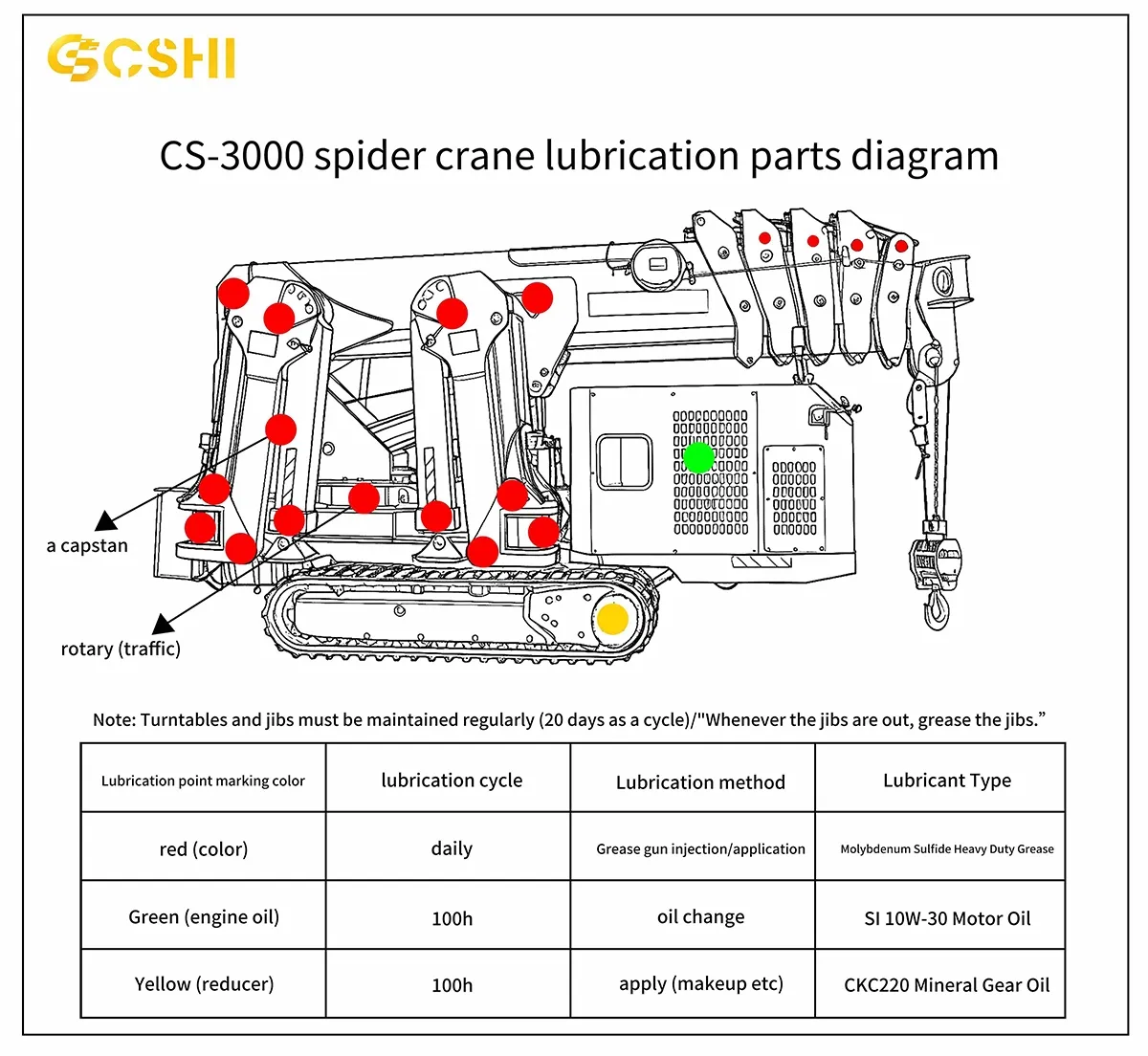
A fault caught in the morning can't stop a lift at height. CSHI lays out a simple rhythm: grease the marked daily points with heavy-duty moly grease, change engine oil at 100 hours, service the reducer at 100 hours, and give the slewing ring and boom sections a cycle every 20 days — grease sections whenever the boom extends. Watch for hydraulic leaks and loose pins, and a machine serviced on schedule fails less often mid-lift.
Safety Is Part of Specifying the Machine
None of this is complicated, but it has to be deliberate: read the chart for every lift, set and pad the outriggers, clear the envelope, test the safety devices, match the power source to the space, and service on a fixed rhythm. When choosing a spider crane, ask which aids are built in and which are options — load moment indicator, wireless remote, man basket, and fly jib can all be specified up front. Tell CSHI your spaces, ground conditions, and loads, and we'll size a machine and safety package that leaves you margin.

 Spider Crane for Solar Panel Installation: Rooftop Lifting
 Spider Crane Common Faults & Troubleshooting Guide for M
 How to Choose Spider Crane Optional Attachments (Full Guide)
 How to Lift an HVAC Unit to a Roof with a Spider Crane