
Spider Crane
Spider Crane Certifications: CE, EPA, ISO, SGS, EAC — What Actually Matters
page views :
Release time : 2026-07-27
Last year a guy from Kazakhstan emailed us asking why his crane was sitting in a warehouse in Almaty and nobody would let him use it. He'd bought it from another factory, the brochure had CE all over it, he figured that meant "international, no problem." Turns out Kazakhstan doesn't care about CE. They want EAC. The machine was fine. The paperwork was for the wrong continent.
That's basically the whole problem with certifications in one story. They look like one family of logos but they're not even cousins. Some let you into a country. Some only talk about the engine. Some don't talk about the crane at all — they talk about the factory. And one of them isn't even a standard, it's a company.
So let's go through the five you'll actually see.
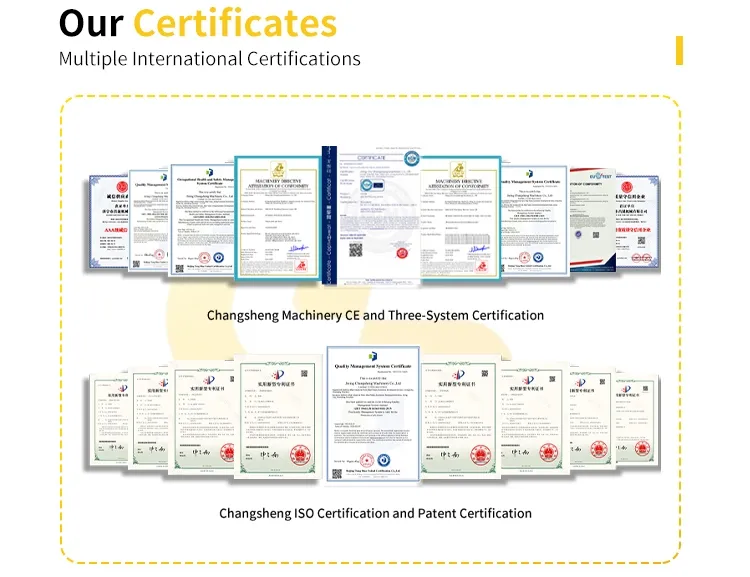
CE — Your Ticket Into Europe
CE means the machine meets EU safety and environmental rules. For lifting equipment that ties into the Machinery Regulation. No CE, the crane doesn't get sold or used in the EU/EEA. Customs can hold it. A site manager can say no. It's not optional.
But here's what trips people up: CE is not a quality badge. I've had buyers ask "so CE means it's a good crane?" and the honest answer is no. It means it's legal in Europe. A cheap machine and an expensive machine can both carry CE. The mark answers "can this come in?" not "should I buy this one?"
When a supplier shows you CE, ask for the Declaration of Conformity and the manual in your language. If they can't produce those, the logo is just a sticker.
EPA — It's About the Engine. And It's American.
EPA is the U.S. Environmental Protection Agency. When you see it on a crane listing, it's almost always about the diesel engine's emissions — whether that engine meets U.S. emission tiers.
Two things people get wrong here. First, EPA is not a safety certificate. It doesn't say anything about the boom or the outriggers or whether the machine will tip over. It says the exhaust is clean enough for American rules. Second, it's not European. Europe has its own engine emission rules (Stage V, if you're curious). EPA and CE are doing completely different jobs.
Side note: if you're looking at an electric spider crane, the whole engine-emissions question mostly disappears. No engine, no EPA conversation. That's one reason electric models are getting popular on indoor jobs and city sites where emissions rules are strictest.
ISO — This One's About the Factory, Not Your Crane
This is the one that confuses the most people, so I'll be blunt: ISO 9001 does not mean "this crane passed a quality test." It means the factory has a documented quality management system. How they handle design, purchasing, production, inspection, complaints. The process, not the product.
So why does it matter? Because when you're buying from 8,000 km away and you can't walk the production line every Tuesday, you want some evidence the factory isn't just winging it. A working ISO 9001 system means there's a paper trail. If something's wrong with your machine, there's a record of what went into it and who checked it. It's a risk reducer, not a guarantee.
You'll also sometimes see ISO 14001 (environmental management) and ISO 45001 (worker safety). Nice to have. ISO 9001 is the one that matters most for your order.
SGS — Wait, That's Not a Standard
Right. SGS is a company. A big Swiss inspection and testing firm, in the same league as TÜV or Bureau Veritas. So when a brochure says "SGS" it means SGS did something — tested a material, inspected the goods before shipping, audited the factory. But "something" is doing a lot of work in that sentence.
I've seen suppliers put the SGS logo on their website and when you ask "what did SGS actually do?" the answer is "they visited once three years ago." That's not nothing, but it's not the same as a current pre-shipment inspection report on your specific order.
So the question isn't "do you have SGS?" The question is "which SGS document, covering what, dated when?" A current, relevant report is genuinely reassuring. A logo with no paperwork behind it is decoration.
EAC — The One Most People Forget Until It's Too Late
EAC is the conformity mark for the Eurasian Economic Union: Russia, Belarus, Kazakhstan, Armenia, Kyrgyzstan. It works like CE but for a completely different set of countries with completely different rules.
The Kazakhstan story at the top? That's an EAC problem. The buyer had CE, which is great if you're in Munich. Useless in Almaty.
If your crane is going anywhere in the EAEU, you need EAC. Full stop. CE doesn't cover it. They're separate regulatory worlds. And this catches people more than you'd think because a lot of compact cranes from Chinese factories end up in Russia and Central Asia — mining support, glass installation, indoor fit-outs in new developments. The demand is real and the paperwork requirement is non-negotiable.
Quick Reference
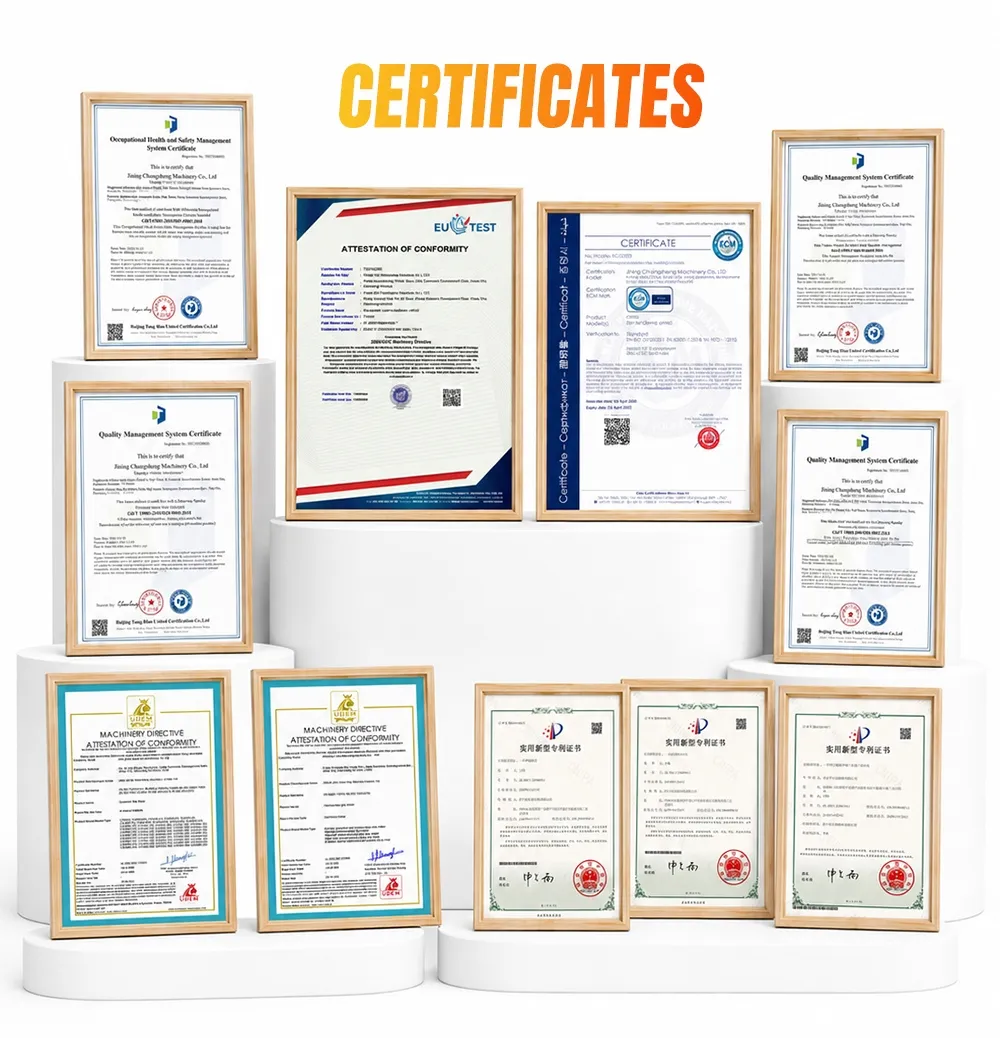
What to Actually Ask a Supplier
You don't need to memorise regulation numbers. Just ask these:
If they answer all five without getting defensive, you're probably dealing with people who export regularly. If they send one blurry photo of a logo wall and go quiet when you ask for documents, that's your answer too.
related news
View More >>
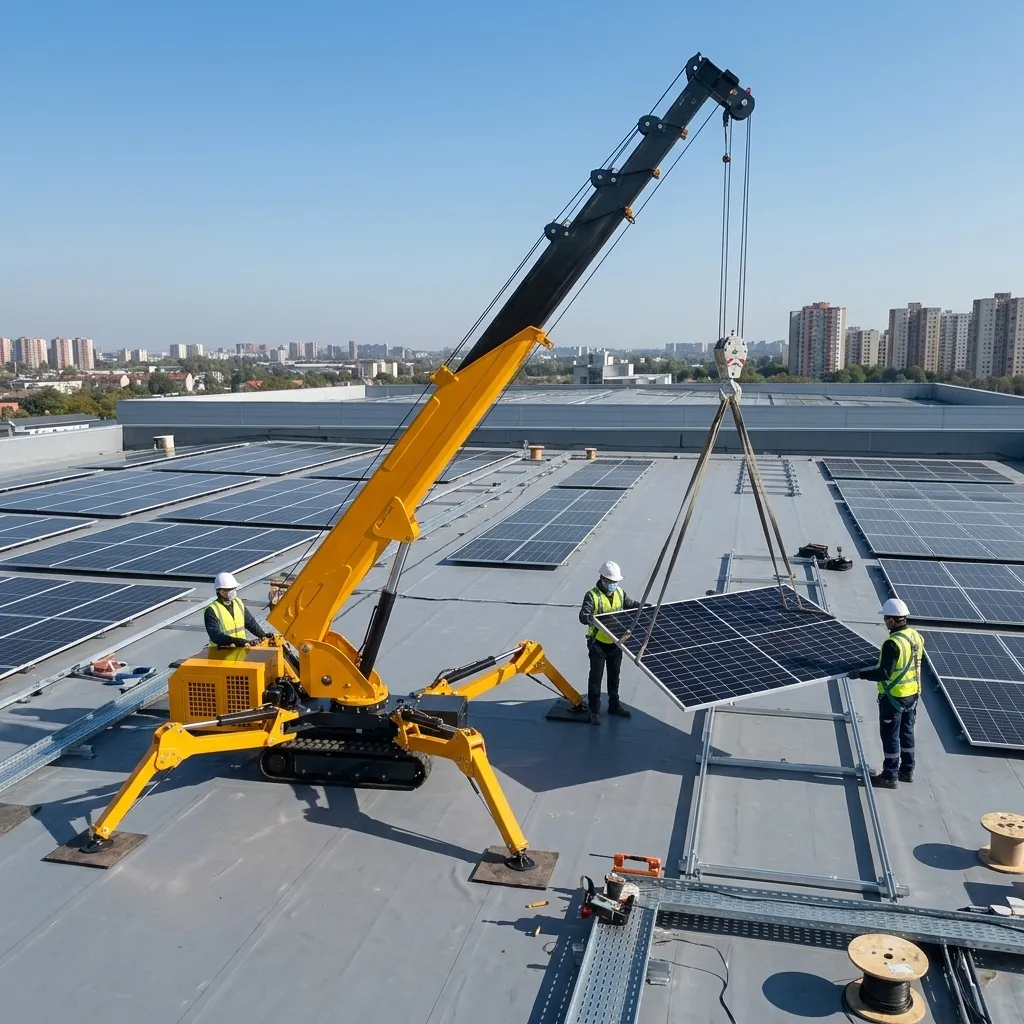 Spider Crane for Solar Panel Installation: Rooftop Lifting
10 .10.2026
Discover how a spider crane lifts solar panels, racks and inverters onto rooftops. Low ground pressure, narrow access, electric/dual-power options for EPC contractors.
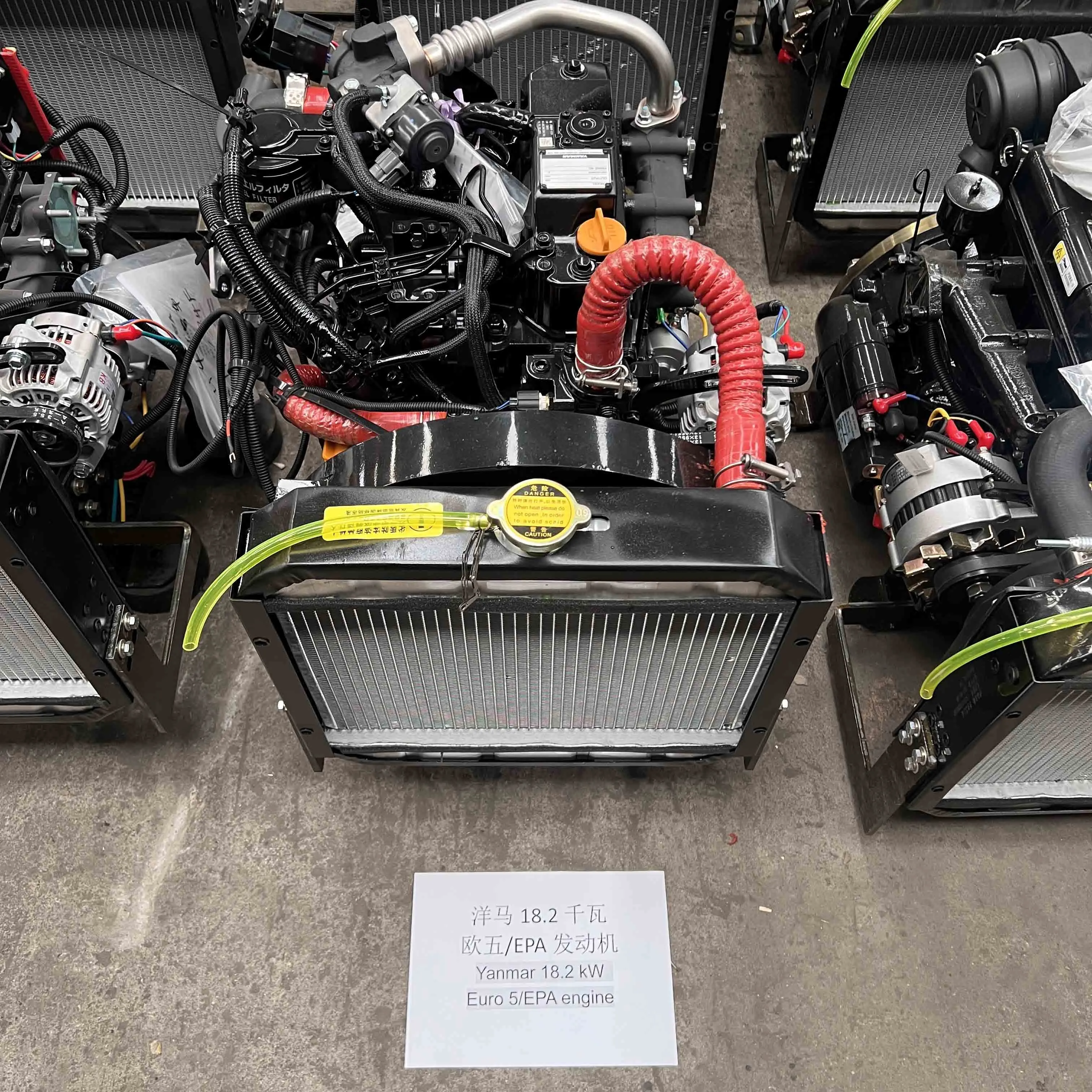 Spider Crane Common Faults & Troubleshooting Guide for M
10 .06.2026
Practical spider crane troubleshooting guide for hydraulic, electric, track and safety faults. Daily maintenance tips for mini crawler spider crane, ideal for indoor & glass lifting projects.
 How to Choose Spider Crane Optional Attachments (Full Guide)
10 .01.2026
Which spider crane accessories do you need? Remote control, torque controller, flying arm, glass suction cup or hanging basket — match options to your job.
 How to Lift an HVAC Unit to a Roof with a Spider Crane
09 .26.2026
HVAC rooftop lift guide: how much rooftop units weigh, what size spider crane you need at your working radius, a 6-step lift plan and rooftop safety checklist.